21 August 2025 · George du toit · 4 min read
Colds on return to school - tips!
Navigating Autumn & Winter Bug Season: A Guide for Parents As families return from holidays, head back to nurseries, and settle into the autumn term, a rise in childhood respiratory infections is inevitable. For allergic families, these symptoms can 'merge' with rhinitis due to Autumn mould and late pollens. In a multicultural city like London, families return from diverse climates and winter seasons across the globe, introducing a wide array of circulating viral strains, so returning to nurse
Navigating Autumn & Winter Bug Season: A Guide for Parents
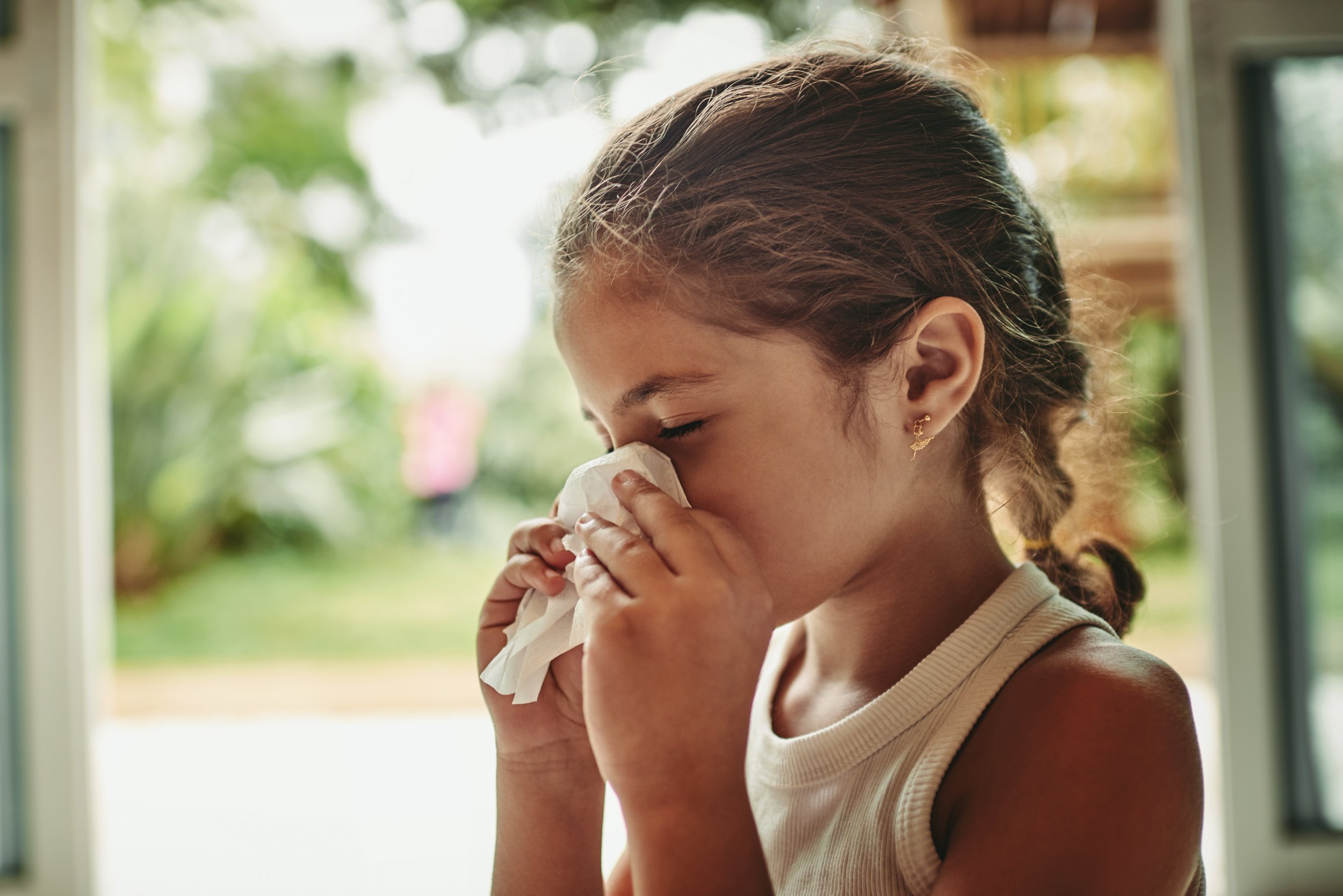
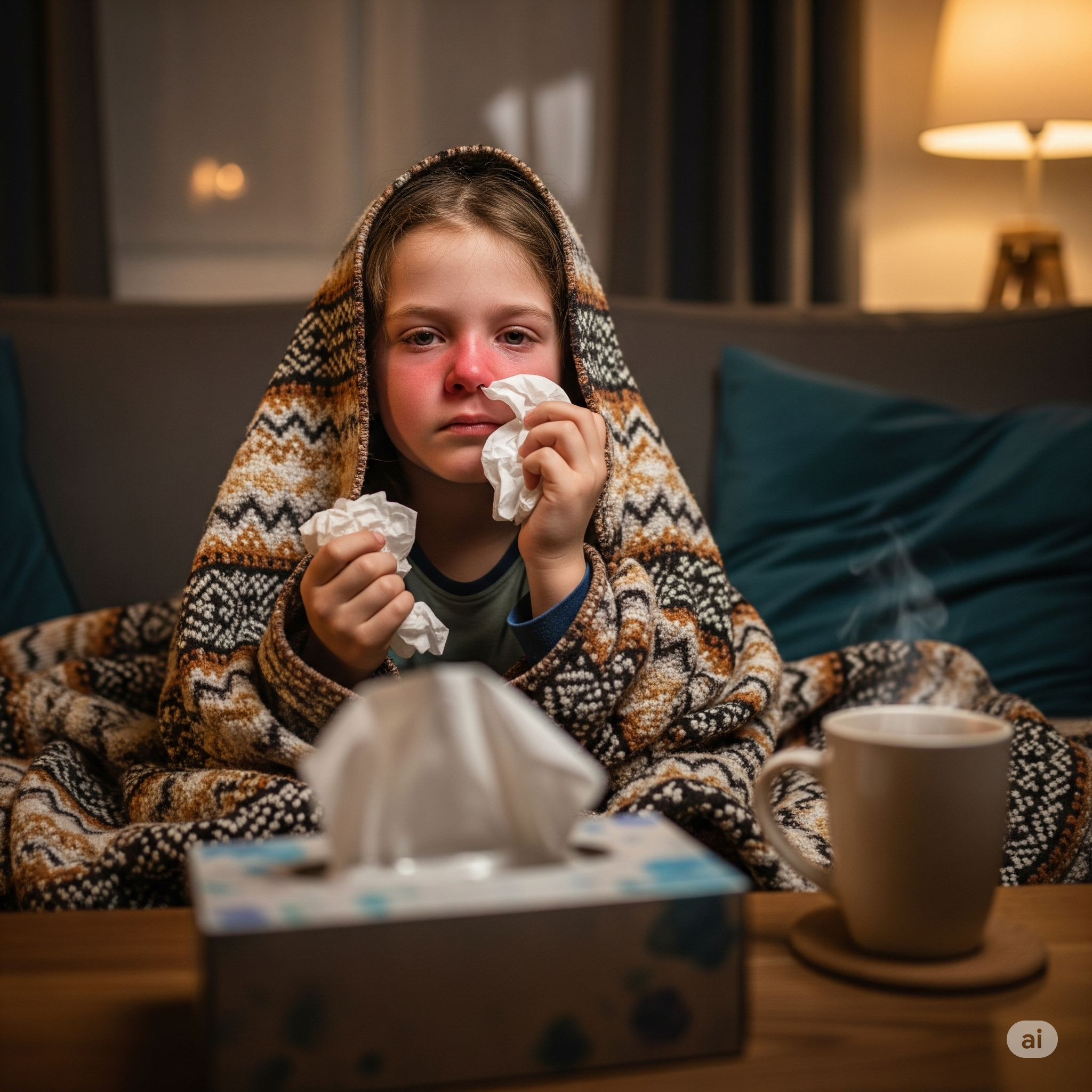
As families return from holidays, head back to nurseries, and settle into the autumn term, a rise in childhood respiratory infections is inevitable. For allergic families, these symptoms can 'merge' with rhinitis due to Autumn mould and late pollens.
In a multicultural city like London, families return from diverse climates and winter seasons across the globe, introducing a wide array of circulating viral strains, so returning to nursery or school can feel like an immune challenge.
Combined with close contact in classrooms and nurseries, plus cooler, drier indoor air, viruses spread rapidly.
There are many viruses that can cause symptoms at this time of the year with the rhinovirus and respiratory syncytial virus (RSV) being common triggers.
Cladosporium and Alternaria are the most common airborne moulds active during autumn, thriving on decaying fallen leaves and damp organic matter, alergy to mould can give rhinitis symptoms and not uncommonly, a croup-like cough.
What Is Normal? (Nursery & Infant Expectations)
It is completely normal for healthy infants and young children in the UK to experience 8 to 10 colds per year.
- The Nursery "Boot Camp": Infants starting nursery can experience up to 12 to 15 infections in their first year alone as their immature immune systems encounter common viruses for the first time.
- Long-Term Advantage: Early exposure in nursery settings acts as an immune "boot camp". Children who acquire these exposures in nursery typically experience fewer illnesses once they start primary school than those who stayed at home.
Immunity & Allergy Protection
While constant winter snuffles are exhausting, everyday viral exposures play a key biological role:
- Immune Training: You can run, but you cannot hide—catching mild viral bugs is how a child's immune system learns and matures.
- Allergy Reduction: Under the "hygiene hypothesis," early exposure to common environmental microbes and infections helps calibrate the immune system. This lowers the risk of developing allergic conditions like asthma, hay fever, and eczema later in life.
Vaccination: Essential Protection
Ensuring your child's routine immunisations are up to date remains your strongest defence against severe illness.
- Annual Flu Vaccine: Offered to school-aged children and eligible nursery toddlers across the UK.
- Egg Allergy Safety: An egg allergy is not a contraindication to receiving the nasal spray flu vaccine or inactivated flu injections. Modern vaccines contain negligible egg protein and are safe for children with egg allergies (including prior severe reactions) in standard community settings.
- Maternal RSV Vaccine: Pregnant mothers can directly protect their newborns against RSV. Receiving the vaccine between 28 and 36 weeks of pregnancy transfers protective antibodies across the placenta (passive immunity). This protects infants from severe RSV complications like bronchiolitis and pneumonia during their vulnerable first six months.
Saline Nasal Washes: Proven Relief & Reduced Household Spread
Nasal saline drops (such as hypertonic saltwater solutions) provide far more than just quick comfort. The UK ELVIS-Kids randomised controlled trial (presented at the European Respiratory Society) demonstrates significant clinical benefits for children under six:
- Shorter Illness Duration: Children receiving saline nasal drops recovered two days faster—reducing cold symptom duration from an average of 8 days down to 6 days.
- Less Spread to Family: Using saline drops reduced virus transmission within the household, with significantly fewer family members catching the cold compared to standard care (46% vs 61%).
- How It Works: The chloride in saltwater helps the cells lining the nose produce hypochlorous acid - a natural defence mechanism that suppresses viral replication.
- Reduced Medication Use: Children using saline drops needed fewer additional over-the-counter medicines throughout their illness.
Practical Prevention Habits
- Hand Hygiene: Encourage thorough handwashing with soap and water for 20 seconds.
- "Catch It, Bin It, Kill It": Teach children to cough or sneeze into a tissue, throw it away immediately, and clean their hands.
- Avoid Touching Faces: Remind infants and children to keep hands away from their eyes, nose, and mouth.
- Lifestyle Support: Ensure adequate sleep, balanced nutrition, and daily outdoor activity.
Red Flags: When to Seek Medical Help
Most common colds resolve within 7 to 10 days, though post-viral coughs can last up to 3 weeks. Seek medical care if you observe any of the following:
| Category | Red Flag Symptoms |
| Breathing | Rapid breathing, grunting, chest or rib retractions (skin pulling in), stridor (harsh noise when breathing in), or blueish lips/skin. Child is too breathless to talk, eat, or drink. |
| Fever | Any fever of 38°C or higher in infants under 3 months. Temperature of 38°C+ lasting longer than 5 days, or any fever reaching 40°C or higher. A fever that disappears and then returns. |
| Behaviour & Fluids | Extreme lethargy, difficulty waking, inconsolable crying, or signs of dehydration (no wet nappies for 12+ hours, dry mouth, no tears). Inability to swallow fluids. |
| Other Signs | A non-blanching rash (does not fade under the "Glass Test"), severe earache for over 3 days, or a worsening cough exceeding 3 weeks. |
Worried About Allergies? Let’s Help You Get Answers
If your child is showing signs of a food, pollen, or skin allergy, early diagnosis is key. At London Allergy Consultants, our expert team provides trusted, evidence-based care tailored to your child’s needs. From testing to treatment plans, we guide you every step of the way.

London Allergy Consultants
London Allergy Consultants is a leading UK centre for diagnosing and treating food and airborne allergies in children and young people.
Get in Touch
0330 678 5168
@office@londonallergyconsultants.com