Knowledge
Allergy blog
Practical, evidence-based articles written by our consultants — the latest research and guidance on children's food allergy, testing, treatment and prevention.
-

30 September 2026 · George du toit
The age of allergen introduction matters for both prevention and treatment.
Along with Professor Gideon Lack, we recently published on how age influences outcomes in allergy prevention and treatment. The full manuscript is available in the NEJM; here are some take-home messages we wanted to communicate - Prevention: * Early introduction of peanut protein reduces the prevalence of peanut allergy by approximately 80%; this very strong effect even in this higher-risk population (i.e., infants with moderate to severe eczema and/or egg allergy). * This is a time-sen
Peanut AllergyFood Allergy PreventionLeap Study -

25 September 2026 · George du toit
Egg and Peanut in pregnancy - New research
Does maternal intake of common food allergens, such as egg and peanut, during pregnancy and lactation affect allergy outcomes in infants?
Preggnut TrialLeap StudyDiet In PregnancyFood Allergy Prevention -

30 August 2026 · George du toit
Flu vaccine in the UK for egg-allergic children
The 2026/7 flu season will be here soon. Egg allergy is common, and the safety of providing this vaccine to egg-allergic individuals is always a concern for parents and some healthcare providers. We receive a significant amount of correspondence on this topic in our London Allergy Consults practice. Historical anxieties around egg-based vaccine manufacturing have frequently caused unnecessary hesitation, making evidence-based reassurance essential as the annual immunisation rollout approaches.
Egg AllergyFlu Vaccine -
14 August 2026 · George du toit
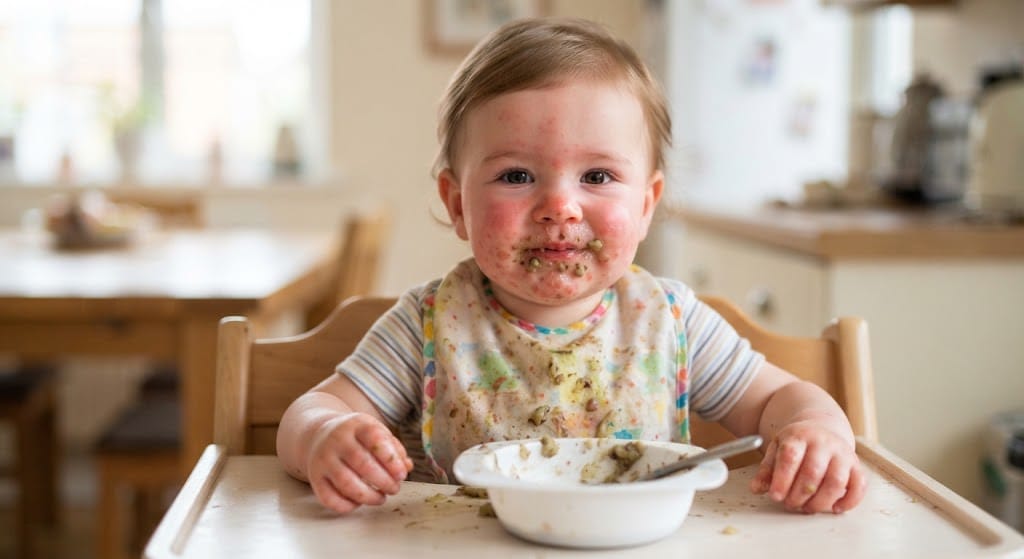
My baby develops rashes when eating Aubergine - is this an allergy?
Aubergine and Nightshade Reactions in Infants: What Parents Need to Know Discovering a red rash on your infant after mealtime can be alarming. When aubergine is involved, many parents worry about severe food allergies. However, the medical literature and our clinical experience shows that these reactions are often harmless, manageable, and frequently outgrown. Understanding Nightshade Skin Reactions Aubergine belongs to the nightshade (Solanaceae) family, alongside potatoes, tomatoes, and pe
AubergineallergyNightshadeallergyFood Allergy -

4 August 2026 · George du toit
Back-to-School Transition with Food Allergies - Benedict's Law to come into effect from Sept
What Families Need to Know In our London Allergy Consultants Clinic, we find September to be one of the busiest months - not just because of the autumn pollen surge, but because of the palpable wave of anxiety I see in parents and children preparing to return to nurseries and schools. Handing over the care of a child with a potentially life-threatening food allergy to teachers, support staff, and catering teams can feel terrifying. If your stomach turns into knots thinking about school lunches
Food Allergy In SchoolSchool Food Allergy PolicyBenedicts LawAllergykidsrule -

1 August 2026 · George du toit
Symptomatic teething: a paediatric allergist's approach!
It is not uncommon for parents to seek advice in clinic for infants who are experiencing 'symptomatic teething' with one or more of the following symptoms: * new-onset troublesome facial rashes, resembling or even exacerbating eczema * excessive drooling and associated peri-oral and neck skin fungal infection * disrupted sleep * poor feeding * general irritability. Teeth often erupt around the same time infants are being weaned onto solid foods and receiving routine vaccinations. Children
TeethingMouth RashesDrooling InfantFacial Eczema -

30 July 2026 · George du toit
New Practice Tel. Number: 0330 678 5168
We have upgraded to a more efficient telephone system; please update any saved details to 0330 678 5168.
Allergy Clinic LondonAllergy OIT Dr'sLondon Allergy ConsultantsFood Allergy Clinic -

29 July 2026 · George du toit
The evening 'pollen shower' may account for your more troublesome hay fever symptoms later on in the day!
Navigating pollen allergies can feel like an uphill battle. In clinic, we see many parents who struggle to keep their children’s hay fever at bay during the summer months. They report a mix of itchy, sneezing, and even wheezy symptoms throughout the day, often worse in the evenings. Here is what you need to know about London’s pollen patterns. Specific pollen seasons The UK pollen season comes in three distinct phases: * Spring (March to May): Driven by tree pollen (birch, oak, and plane
HayfeverPollenSLITSCIT -

26 July 2026 · George du toit
Does CMF in infancy influence cow's milk allergy outcomes? - New Research.
This is an important and common question in our allergy community as well as in the wider scientific community. Early Milk Exposure and Food Allergy: Navigating the early days of parenthood can feel like a minefield of conflicting advice, especially when it comes to infant feeding and food allergies. A common worry for new parents is whether giving a newborn a formula in the hospital might trigger a cow’s milk allergy down the line. More recently, families are even asking whether this is prot
Milk AllergyCmf And AllergyBreast Feeding AllergyCMPA -
1 July 2026 · George du toit
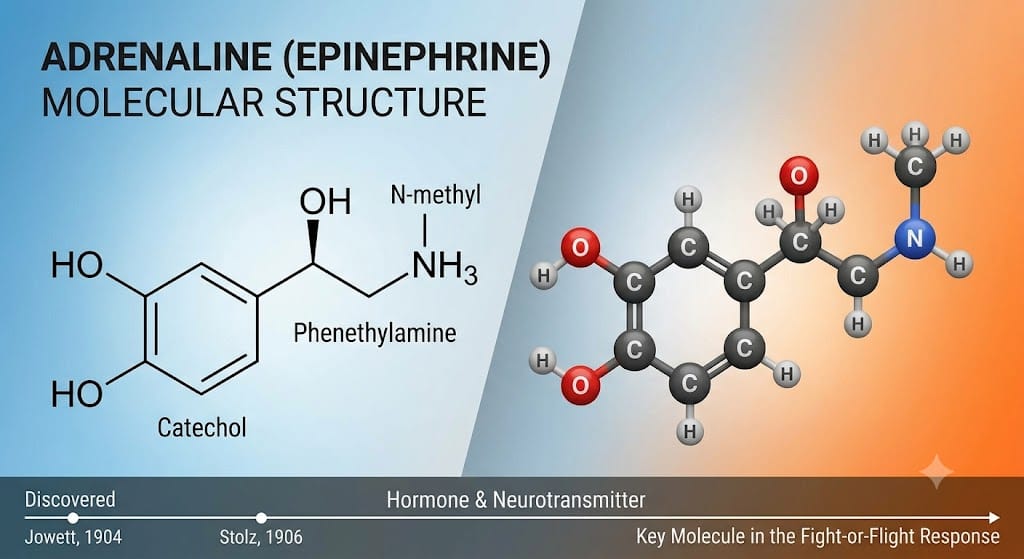
Should you choose a nasal over an injectable adrenaline device for the treatment of anaphylaxis?
Choosing between the devices is best achieved through a thorough, well-informed decision-making process. Having a choice is a wonderful privilege, but it can prove stressful for some. Herewith some info to help facilitate this decision: For decades, managing severe allergic reactions (anaphylaxis) in children and young adults has relied exclusively on intramuscular adrenaline auto-injectors (AAIs), such as EpiPens or Jext. In less well-resourced settings, patients and their families have needed
EURneffyNeffyAaiAnaphylaxis -
13 June 2026 · George du toit
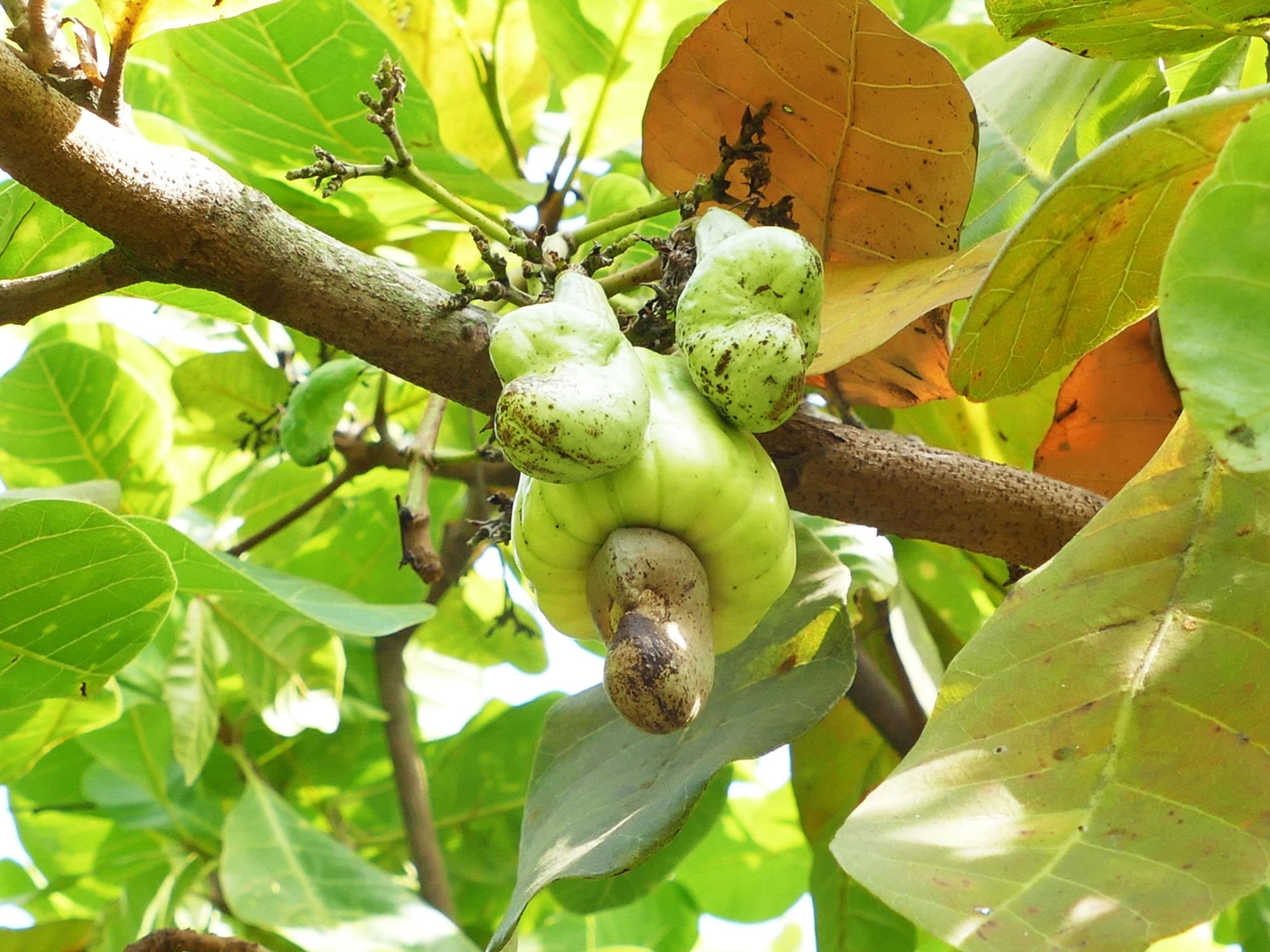
Will OIT to Cashew help suppress Pistachio Allergy?
Parents frequently ask whether they have to undergo multiple separate protocols for each related nut, specifically because cashew and pistachio are closely related (sharing homologous proteins like Ana o 3 and Pis v 1). In this blog, we seek to answer this question and describe successful desensitisation to cashew that can co-desensitise or protect against pistachio, thereby reducing the treatment burden. What is the best direct evidence for cashew ± pistachio OIT efficacy? Cashew OIT efficac
Cashew AllergyPistachio AllergyOITSLIT -

9 June 2026 · George du toit
Should I burp (wind) my baby?
* Burping newborns after feeds is a near-universal cultural practice, yet there is a significant lack of robust clinical evidence supporting its actual medical benefits, we are often asked about best practice in our children’s allergy clinic. * Current paediatric data, including randomised controlled trials, show that routine burping does not significantly prevent or reduce episodes of infantile colic. Indeed, evidence suggests that active burping techniques can sometimes have the opposite eff
GorRefluxBurbping BabyColic -
16 May 2026 · George du toit
Does my infant have Cow's Milk Protein Colitis (CMPA), aka food protein-induced allergic proctocolitis (FPIAP)?
* Cow's milk protein colitis (also called food protein-induced allergic proctocolitis or FPIAP) is a benign, self-limited, non-IgE-mediated food allergy that typically presents in otherwise healthy infants with blood-streaked, mucoid stools. * It is the most common cause of rectal bleeding in infancy and usually resolves within the first 1-2 years of life. Clinical Presentation Affected infants are typically well-appearing and thriving, with the hallmark symptom being visible blood and mucu
-

10 May 2026 · George du toit
Is Plane Tree Pollen Allergy aggravating my eyes?
The London Plane: a "Pollutant-Sponge" with a Sting in its Tail If you walk through London’s squares in late spring and find your eyes streaming and your throat tickling, you are likely meeting the London Plane (Platanus × acerifolia). Representing over half of the trees in central London, this majestic species is a staple of our urban landscape. However, for allergy sufferers, it poses a unique dual threat: a traditional pollen allergy combined with a physical irritant known as "Plane Tree Du
-
10 May 2026 · George du toit
Can food allergens pass through into breast milk?
* In clinic, we are commonly asked about food allergens in breast milk and whether this is beneficial or harmful for their infants’ allergies. * Food allergens eaten by a breastfeeding mother do pass into breast milk, typically peak within 2 hours of maternal ingestion, but the amounts are typically very low. * For example, cow's milk protein, the highest reported median β-lactoglobulin level across studies was 4.2 ng/mL, which is 1 million times lower than the level in fresh cow's milk. Fo
-
5 April 2026 · George du toit
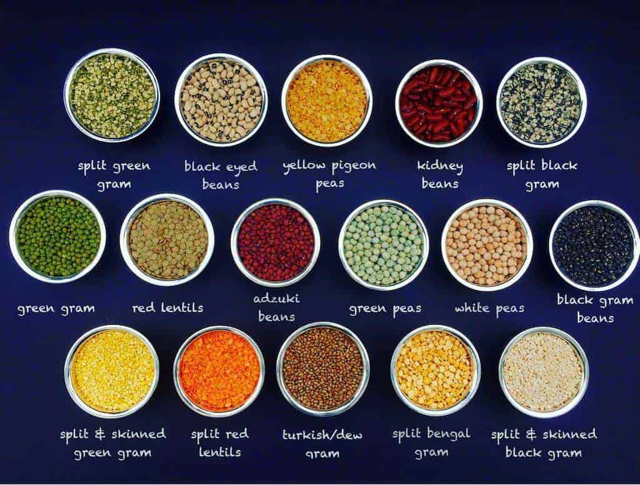
Is OIT for Pea, Chickpea and Lentil Allergy available?
Pulses such as lentils, chickpeas, and peas have transitioned from health-food niche to mainstream staples in the UK. Certain traditional cuisines, such as South Asian cuisines, also commonly contain pulses. For parents of children with allergies, navigating this landscape requires a mix of keen label-reading and an understanding of the botanical relationships within the pulse family. Cross-Reactivity: The "Legume Link" If a child is allergic to one pulse, there is a biological possibility th
-

2 April 2026 · George du toit
Do all the infections my child gets at nursery benefit the immune system long term?
As we transition from winter to summer, many patients present for assessment due to recurrent infections. Families often wonder whether an immune deficiency or an allergy is contributing to these persistent symptoms. In older children, some of these symptoms may be due to hay fever from tree pollen, while in younger children, frequent illnesses are usually just a normal part of the cycle of infections associated with nursery or school environments. A recent study indicates the expected frequenc
-
6 March 2026 · George du toit
Does Walnut Oral Immunotherapy (OIT) also protect against Pecan Allergy?
Walnut is a commonly eaten tree nut and a common allergen. There is a significant risk of co-allergy with pecans due to their nearly identical protein structures. In addition to baked goods, walnuts are often present in pesto (especially in more traditional Italian varieties), dressings, meat substitutes, and flavoured coffees, making them difficult to avoid. Walnut Allergy is rarely outgrown. Oral Immunotherapy (OIT) is available within our ACE service. Diagnosis: * Diagnosing walnut
-

22 February 2026 · George du toit
Where can I access Sesame OIT in the UK?
* Sesame OIT is a treatment in which you eat tiny amounts of sesame under medical supervision, gradually increasing the dose over time to help your body become less allergic. * The goal is to reduce your risk of severe reactions from accidental sesame exposure. * We offer Sesame OIT within our Allergy Centre of Excellence. Does Sesame OIT work? * Studies show that about 88-95% of people who complete sesame OIT can tolerate much larger amounts of sesame than before treatment * Sesame OIT
Sesame AllergySesame OITSeed AllergySesame Oral Immunotherapy -
8 February 2026 · George du toit
Where can I access Pollen Immunotherapy (SLIT or SCIT) in the UK?
Pollen immunotherapy benefits include: * Helps reshape the disease process toward long-term tolerance * Prevents allergic rhinitis from progressing to asthma and may reduce new allergies * Ongoing relief even after treatment ends. * Improves symptom control while reducing reliance on medications. Isn’t that amazing? * It has been a very wet winter and Spring in the UK, so brace for a high pollen summer season! Tell me more about pollen SLIT Pollen Immunotherapy: * If your child’s previ
-
30 January 2026 · George du toit
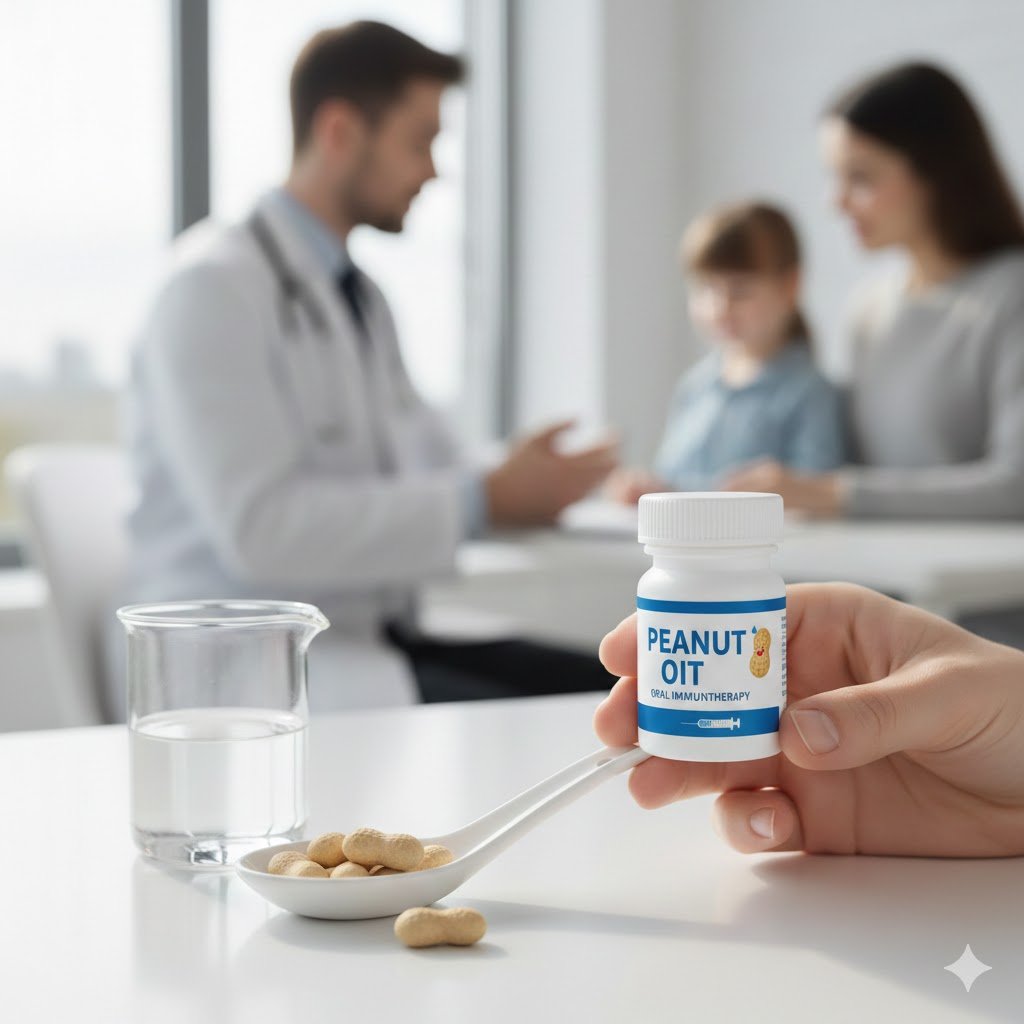
Peanut OIT in the UK - beyond Palforzia - FAQ’s
* The manufacturer of Palforzia has announced that production of the treatment will be stopping worldwide. As a result, they have advised services not to start any new patients on Palforzia after 1 April 2026. * Peanut OIT: Peanut allergy is the most extensively studied food allergen for Oral Immunotherapy (OIT), providing a robust foundation of safety and efficacy data over many years. * Our London Allergy Consultants, Prof Du Toit and Dr Foong, have made significant contributions to the lan
Peanut OITOITPeanut AllergyNut Allergy -

20 January 2026 · George du toit
Is my baby lactose-intolerant?
* Lactose is a mammalian sugar and the reason infants love the taste of breast milk so much. * It is extremely rare for infants to be born lactase-deficient, so nearly all babies should be able to tolerate lactose. * A common cause of lactose intolerance is transient intolerance, which occurs for a short period after diarrhoea, illness, or a course of antibiotics. * Severe chronic illness affecting the GIT can also cause this. * Lactase non-persistence (which occurs in much of the world) on
-

11 January 2026 · Prof. George du Toit
Is Food Allergy causing my baby's colic?
Is Your Baby Struggling with Colic? * As Paediatric Allergists, we often see families who are exhausted and emotional due to their infant’s colic. It is very distressing when your baby appears to be in continuous pain for no medical rhyme or reason. Colic can have a massive impact on the mental health of the entire household. * While "the three-hour rule" is used for a diagnosis of Colic (after the exclusion of all else), this remains a very long time to be comforting an inconsolable, screami
-
26 December 2025 · George du toit
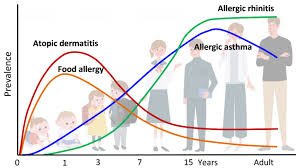
What is ‘The Allergic March’, aka The Atopic March?
The allergic march, aka the atopic march, is a concept describing the possible progression of allergies in your child. Allergic diseases are usually multi-system in nature, so it is not uncommon for infants with eczema to go on to develop one or more of food allergy, asthma, hay fever, and oral allergy syndrome. Whilst this is true at a study population level, it is very hard to predict the likely course for each child. Whilst it’s not possible to alter any genetic predisposition, it does make
Allergic MarchAtopic MarchAtopy -

23 December 2025 · George du toit
Does my baby have Silent Reflux?
Families often attend the clinic suspecting that their infant has silent reflux. Parents describe ‘silent, i.e. without visible regurgitation’, symptoms that may include: * Feeding refusal * Irritability (especially during or after feeds) * Back arching / Leg drawing (flexion) * Choking, gagging, or coughing and may smell of sick / vomit when this happens * Gurgling and swallowing of the sick * Unexplained or inconsolable crying (with painful tears), i.e. not so silent! More Concerning
-
14 December 2025 · George du toit
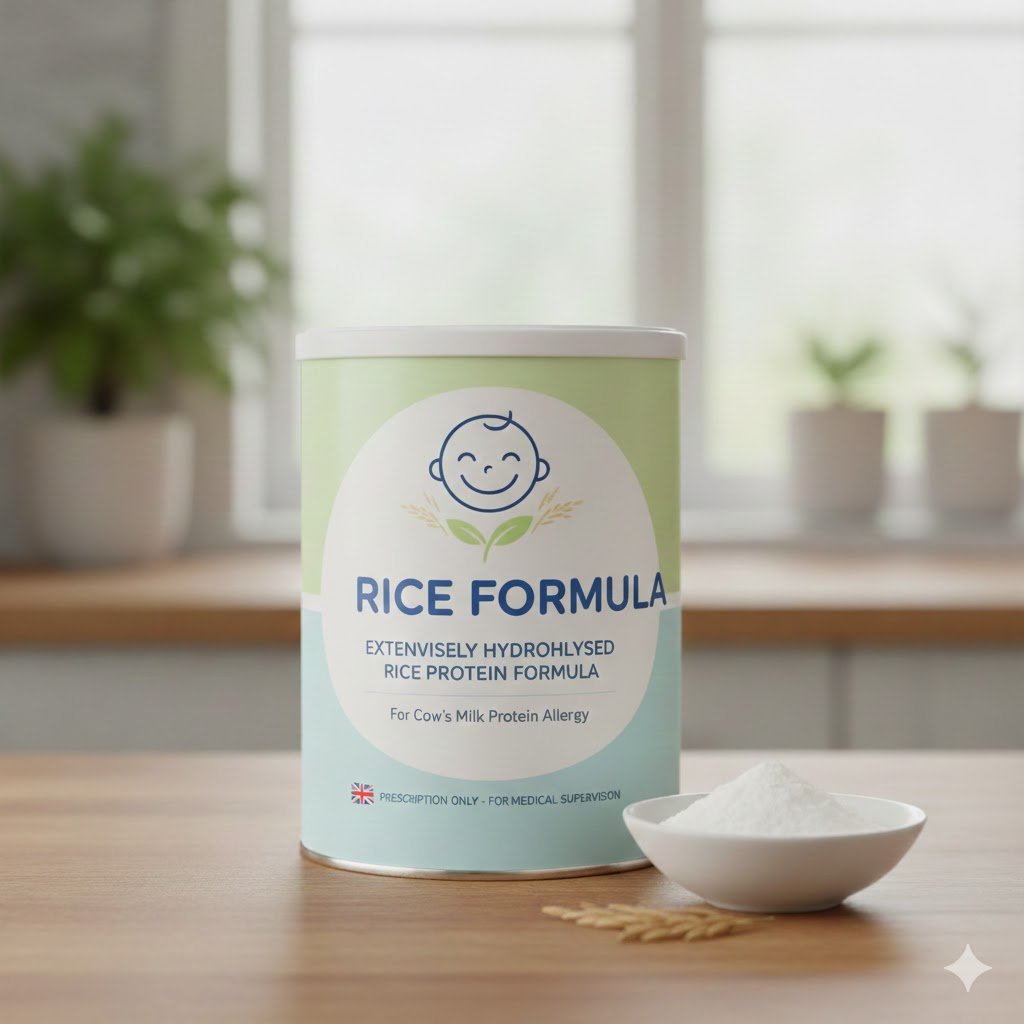
Is Rice infant formula in the UK appropriate for infants with cow’s milk protein allergy?
Rice Hydrolysed Formula (RHF) in the UK (No COI to declare re this post) A Rice hydrolysed formula (RHF), which uses extensively hydrolysed rice protein, is available in the UK as an alternative option for infants who require a non-animal-based, hypoallergenic diet. This choice is beneficial for babies who find other modified milks unpalatable, a common issue in clinical settings. Arize (by Similac/Abbott) is a nutritionally complete, extensively hydrolysed rice protein formula designed for
-

14 December 2025 · George du toit
Can I eat sesame oil if I'm allergic to sesame?
Sesame Allergy is a common food allergy and is infrequently outgrown. Many patients report that, before reacting to sesame paste (e.g., tahini or hummus), they tolerated a few loose seeds and sesame oil. This may create a false impression of ‘tolerance’ toward sesame. In our clinic, for patients with significantly positive test SPT and/or IgE results to sesame but tolerance to low exposure levels, we recommend avoiding loose sesame seeds and sesame oil. The only way to be certain of tolerance
-
14 December 2025 · George du toit
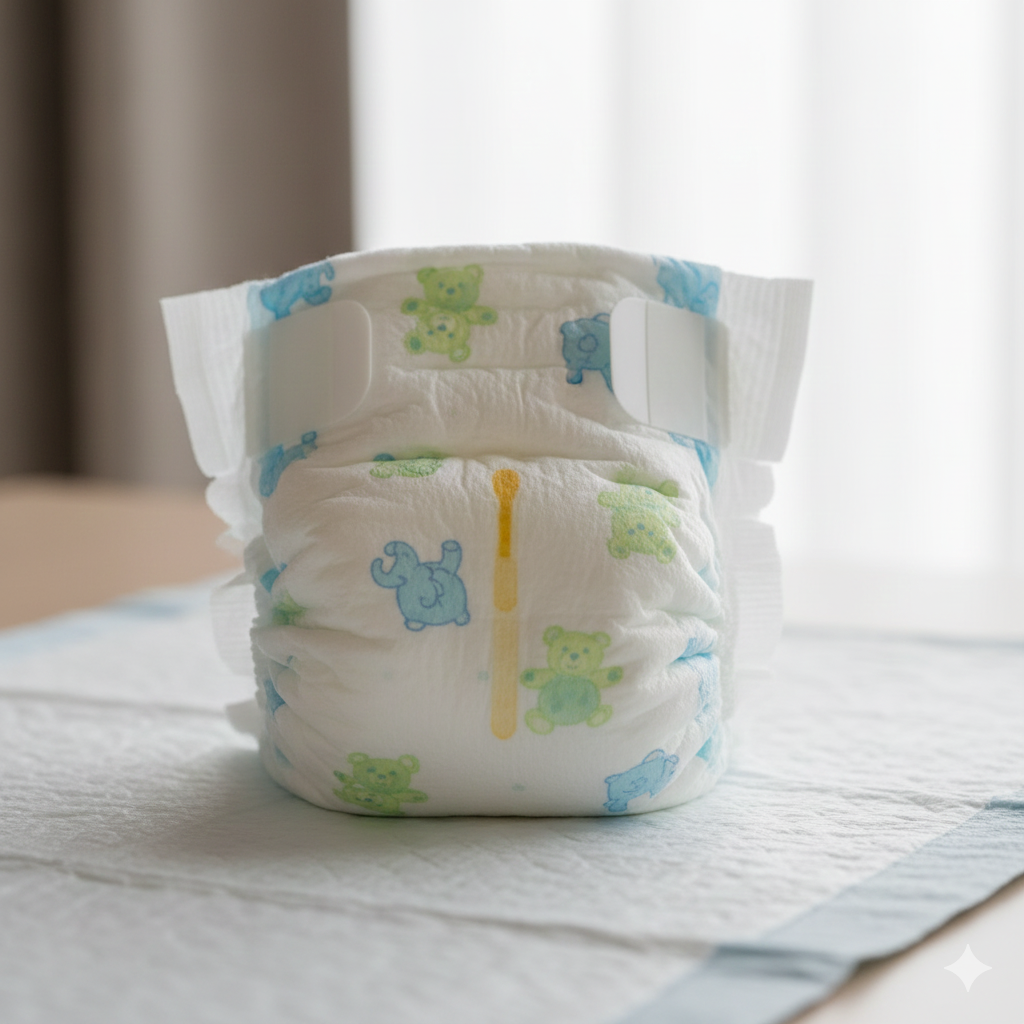
Mucus in my baby's poo, is this normal?
Yes, mucus streaks in a baby's stool are usually a normal finding, especially in otherwise healthy, thriving infants without other concerning symptoms. This is acommon concern expressed by parents in our allergy clinics. The appearance can be striking, with long ‘snot-like’ strands of mucous in and around babies' poo. Baby poo can vary in consistency, colour, frequency, and volume - it is after all a ppruct of the gut biome ‘zoo’ and food matter, hence variations are more common with weaning. W
-
23 November 2025 · George du toit
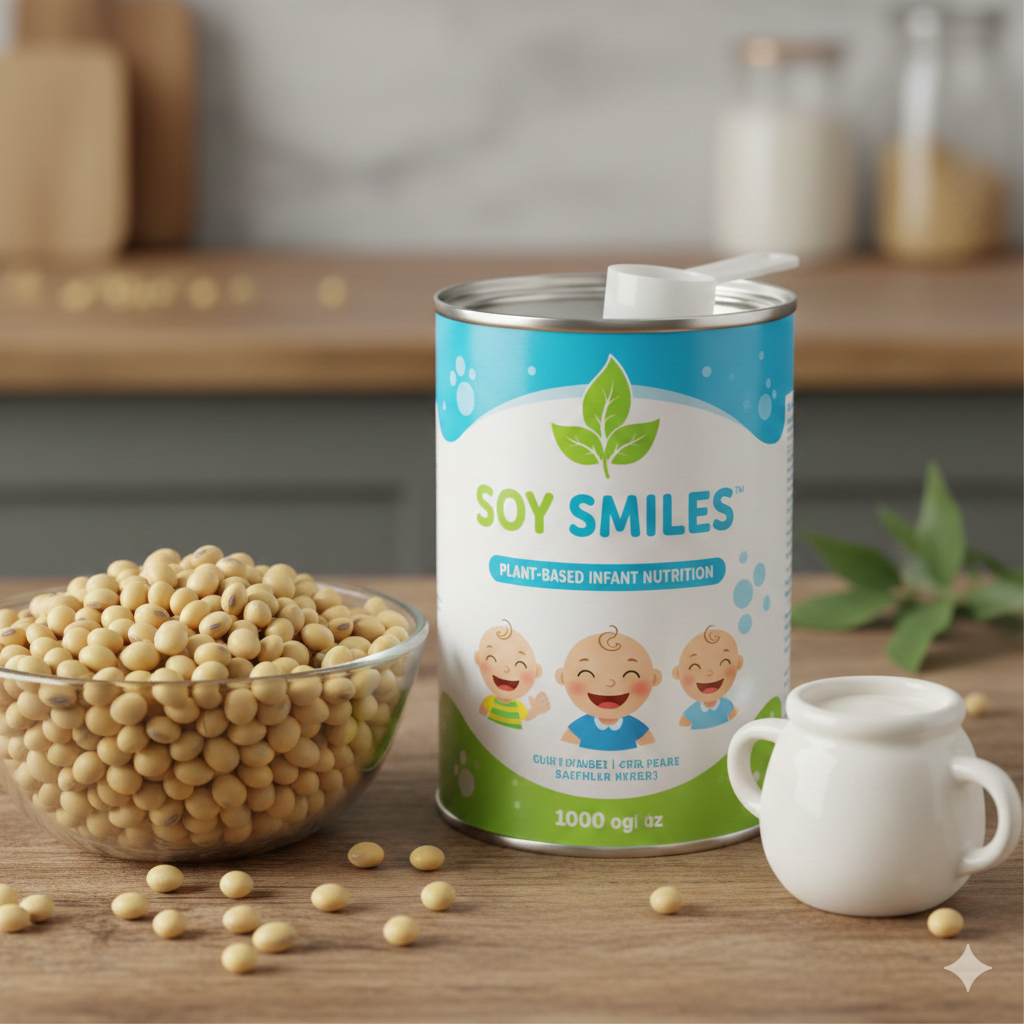
Soy-Based Formula is a safe, nutritious, and cost-effective option for infants with IgE-mediated Cow's Milk Allergy (if Soy IgE negative)
IgE-mediated cow's milk allergy is a common food allergy among younger children. In situations where human milk is unavailable, numerous milk alternatives can be considered, each varying in safety, cost, and importantly, taste. Modified formulas are often unappealing to babies accustomed to human milk, which is high in lactose. A recent review by Abrams et al., published in the Journal of Allergy and Clinical Immunology: In Practice in 2025, supports my long-held clinical belief that soy-based
-

26 September 2025 · George du toit
Can my egg-allergic child receive a UK flu vaccine 2025/2026?
NB, there is a new blog post relating to 2026/7 season on out site. Yes, under current NHS and Joint Committee on Vaccination and Immunisation (JCVI) guidelines for the 2025/2026 flu season, a child can receive the flu vaccine even if they have an egg allergy. The vaccines may be administered in the usual setting. The only possible contraindication would be a child who has required ICU admission for severe egg-induced anaphylaxis; this scenario is scarce! For more specific details, please re
-

22 September 2025 · George du toit
Where is the Allergy Centre of Excellence (ACE)
London Allergy Consultants is delighted to announce that we have moved into the new, purpose-built clinic at 10 Duchess Street in London. This move marks a significant step forward in expanding the reach and quality of allergy care available to our patients. Established in 2025, the Allergy Centre of Excellence (ACE) is London’s first specialist allergy hospital. Founded by Professors Gideon Lack, Adam Fox OBE, and George Du Toit, the centre was created to bridge the gap in specialist care and
-

20 September 2025 · George du toit
Playing Conkers, is this a risk to tree nut allergic individuals?
When is conker season? This is the time when the spiky green cases of the horse chestnut tree ripen and fall to the ground, splitting open to reveal the prized conkers inside. The peak of the season often coincides with the onset of autumnal weather, with windier days helping to bring more conkers down from the branches. Is it safe for my nut-allergic child to play conkers? Conkers refers to a traditional British autumnal game where two players take turns trying to smash each other's horse c
-
29 August 2025 · George du toit
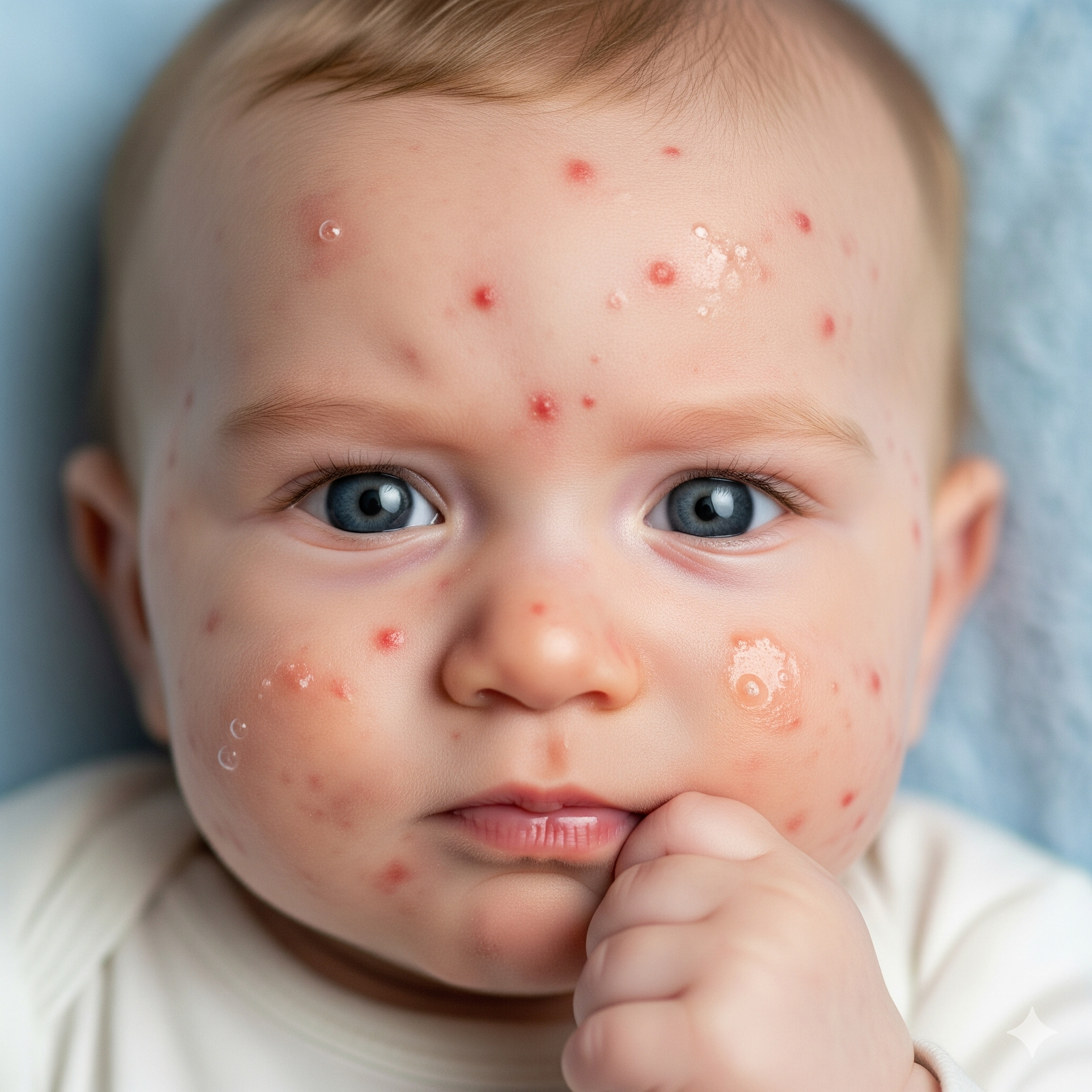
NHS Chickenpox Vaccination and Eczema
Jan 2026 - The National Health Service (NHS) has rolled out a chickenpox vaccination programme for children in England and Wales. The new vaccine will be offered as part of the routine childhood immunisation schedule as a combined measles, mumps, rubella, and varicella (MMRV) vaccine. Children will receive two doses of the vaccine, the first at 12 months and the second at 18 months of age. A catch-up program is available for older children. * This is exciting and welcome news indeed, especia
-

26 August 2025 · George du toit
Gastro Oesophageal Reflux and ‘silent reflux’ in Babies
In our London Allergy Consultants clinics, we see many patients who attend for assessment of an allergic cause for their infants’ GOR. Many of these children (and their breastfeeding mothers) are already on dietary interventions and antacid medications. Their parents are often exhausted and desperate for a rapid intervention; however, the best approach to management varies in each clinical scenario and requires a detailed interactive assessment. There is considerable controversy amongst experts
-

24 August 2025 · George du toit
Hypo Allergenic Dogs - do they exist?
Hypoallergenic Dogs and Dog Allergies: Allergy Specialist clarifying the Facts * Allergic families often inquire about the validity of claims regarding the hypoallergenicity of certain dog breeds. * Hypoallergenic dogs are typically described as breeds that are believed to produce fewer allergens, making them more tolerable for individuals with dog allergies. * Current evidence does not support the existence of truly hypoallergenic dog breed as all dogs produce allergens, as they are living
Dog AllergyHypoallergenic DogsDot Immunotherapy -
24 August 2025 · George du toit
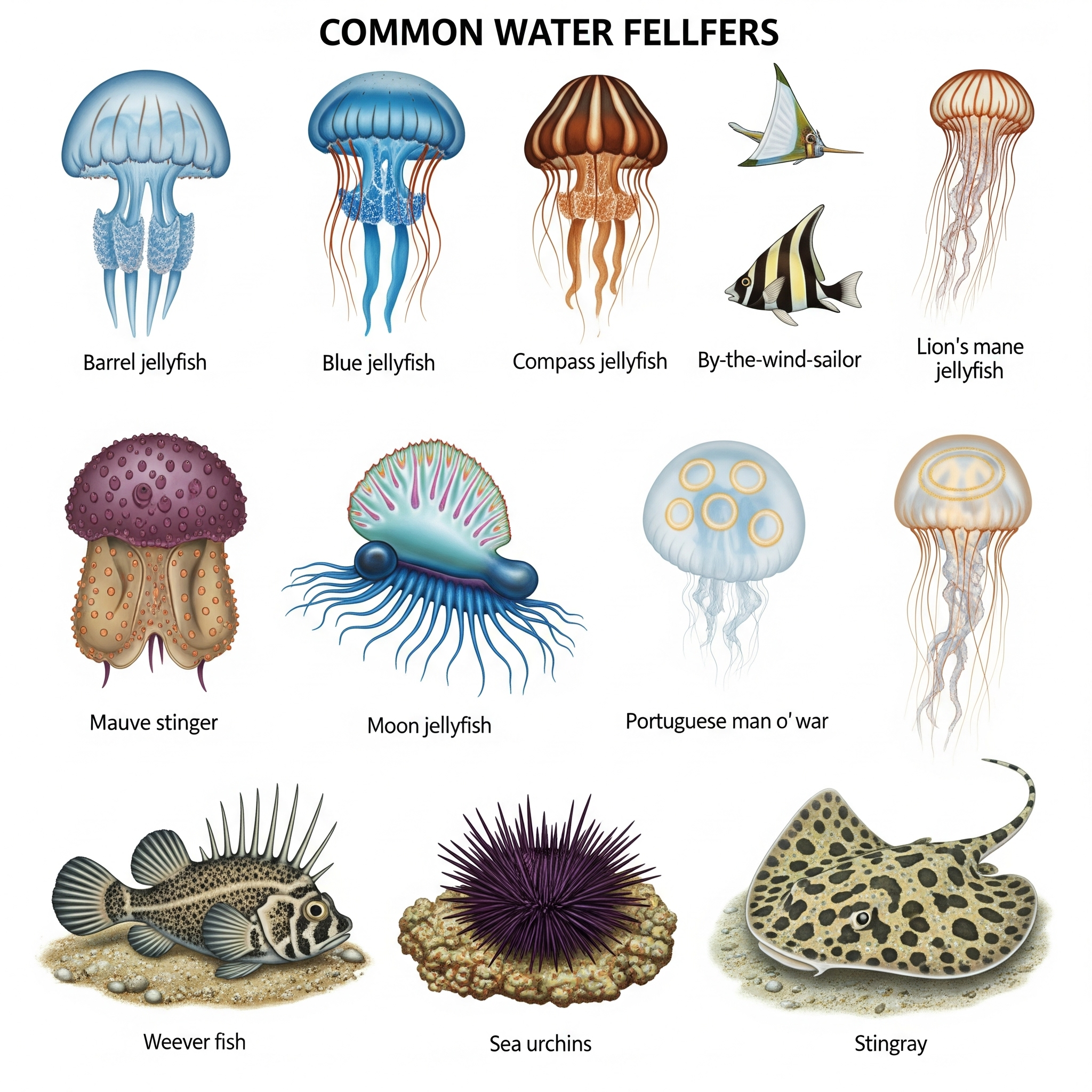
Sea ‘stings’ in UK and Med waters - first aid, folklore and facts.
When it comes to stings you get in the sea from creatures like jellyfish or the Portuguese man o' war, there's a tremendous amount of folklore and "beach wisdom" that gets passed down through generations. Much of it is ineffective, and some can even make the sting worse. Let's break down the folklore and compare it to current medical advice. 1. The Urine Myth This is perhaps the most famous piece of folklore, popularised by TV shows and films. * The Folklore: The belief is that the ammonia
-
24 August 2025 · George du toit
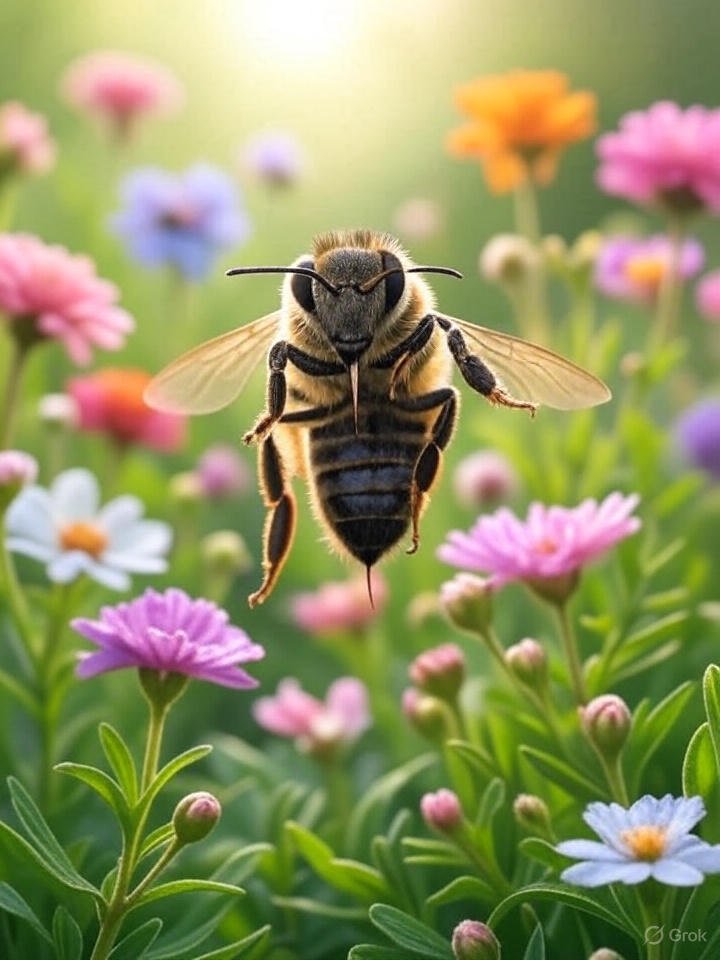
Wasp and Bee Sting Allergy: Venom Allergy Diagnosis and Treatment
With wasp levels across the UK reaching a record high this August, it's crucial to understand the risks associated with insect stings. Stings from wasps and bees are the most common cause of severe allergic reactions (anaphylaxis) in the UK. Here's what you need to know about diagnosis, management, and the definitive treatment available. Understanding Your Reaction It’s important to distinguish between different types of sting reactions. A normal reaction involves localised pain, redness, a
-

24 August 2025 · George du toit
Seed Allergies: Symptoms, Testing and Treatment Guide
Seeds are an increasingly common feature in the modern UK diet, found in everything from breads and cereals to health foods and international cuisine. While they are a great source of nutrition, for some people, they can trigger an allergic reaction. Like nuts, seeds contain specific 'storage proteins' that are essential for the plant's growth. It is typically these robust proteins that the human immune system mistakenly identifies as a threat. The allergens in seeds are very stable, meaning th
-

22 August 2025 · George du toit
Bathing Tips for Eczema: Best Practices
If your baby has normal skin (as most do), NHS recommendations are that you do not need to bathe a newborn every day. Two to three times a week is generally sufficient. Daily "topping and tailing" (washing the face, neck, hands, and bottom) is a good alternative. However, some 20% of babies in the UK develop eczema, and dry skin conditions are also prevalent. How should they be managed with respect to best bathing practice? * If your child has eczema or infected eczema, what is the evidence r
-
21 August 2025 · George du toit
Colds on return to school - tips!
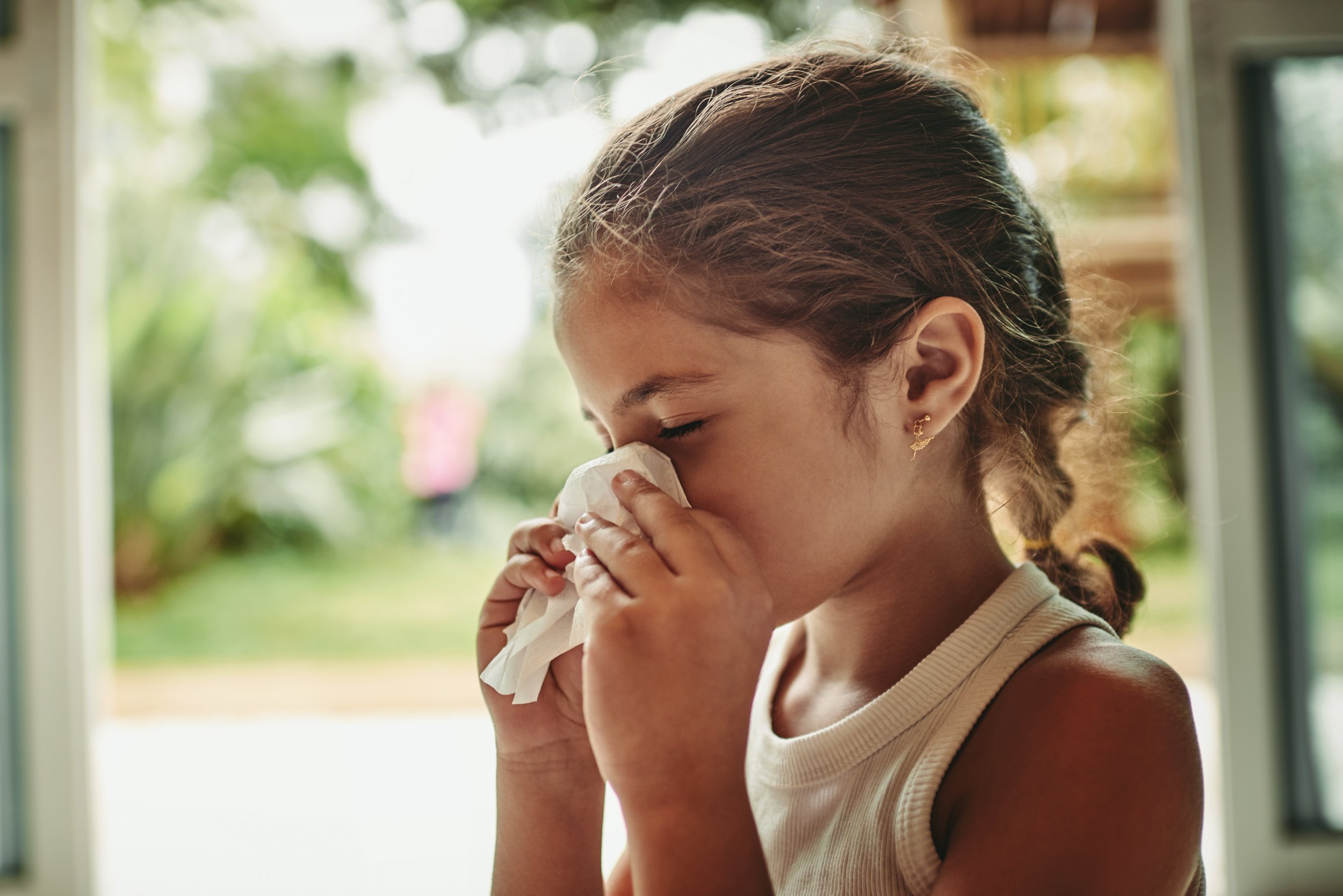
Navigating Autumn & Winter Bug Season: A Guide for Parents As families return from holidays, head back to nurseries, and settle into the autumn term, a rise in childhood respiratory infections is inevitable. For allergic families, these symptoms can 'merge' with rhinitis due to Autumn mould and late pollens. In a multicultural city like London, families return from diverse climates and winter seasons across the globe, introducing a wide array of circulating viral strains, so returning to nurse
ColdsSchool ReturnViral Infections And Allergy -
15 August 2025 · Prof. George du Toit
EurNeffy (aka Neffy) Nasal Spray - available in the UK
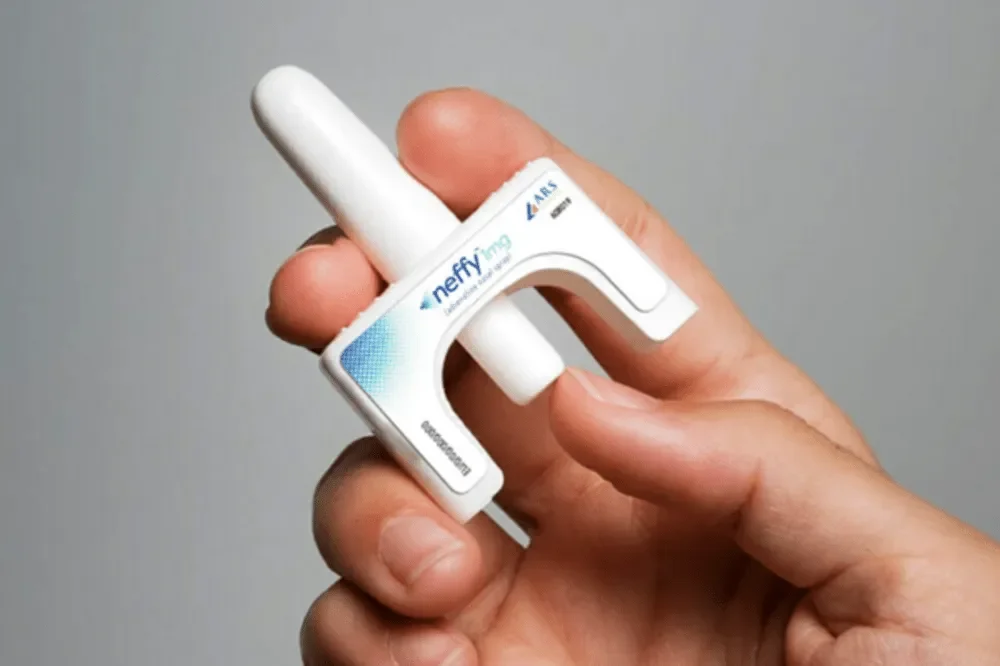
Anaphylaxis, a severe and potentially life-threatening allergic reaction, traditionally requires immediate intramuscular injection of adrenaline using an Adrenaline Auto-Injector (AAI). Recently approved by both the FDA and EMA, Neffy nasal spray (also known as Eurneffy in Europe) offers an innovative, needle-free alternative. The device is now available on the NHS. We can also script this privately in our Allergy Centre of Excellence (ACE) pharmacy. At present, in the UK, only the 2mg dose (
-

15 August 2025 · George du toit
Xolair use in our clinic for Food Allergy
Xolair (Omalizumab) for Food Allergy: Patient Information for patients in London Allergy Consultants. What is Xolair? Xolair is a medication used to reduce allergic reactions from accidental food exposure in patients with IgE-mediated food allergies. It is administered via subcutaneous injections and is not for emergency treatment of allergic reactions. Xolair may be used for three different reasons. 1. Ongoing treatment, over many months, to protect against food allergic reactions.
-

11 August 2025 · George du toit
Oral Immunotherapy (OIT) in our London Allergy Centre of Excellence.
Background As per recent EAACI guidelines, with Prof du Toit as Senior Author, OIT is recognised as a valid option for the management of food allergy. Oral Immunotherapy to food was first described in 1908 in The Lancet - a case of egg poisoning’ - by a physician practising in Harley Street (pre NHS). This report (open access on the link above) is highly informative. It reflects the process of OIT rather well, where even very allergic patients can enjoy a rise in the threshold of the allergen
-

11 August 2025 · George du toit
CMPA Baby Symptoms: Signs Your Baby May Have Cow’s Milk Allergy
* Cow’s Milk Protein Allergy (CMPA) is one of the most common food allergies in infants, affecting around 2–7% of babies in their first year. * This condition occurs when a baby’s immune system mistakenly sees cow’s milk protein as harmful and reacts against it. * CMPA can be particularly distressing for both the child and the parent, especially when symptoms are hard to link back to dairy, e.g. eczema, blood in stool, repeat vomiting some hours later…. * Fortunately, recognising the signs e
-

8 July 2025 · Prof. George du Toit
How does Food Protein-Induced Enterocolitis Syndrome (FPIES) present?
Food Protein-Induced Enterocolitis Syndrome (FPIES) is a severe, non-IgE-mediated food allergy primarily affecting infants and young children. Often described as an "atypical food allergy," FPIES triggers gastrointestinal symptoms, including severe vomiting and diarrhoea, after ingestion of specific food proteins. Despite its seriousness, FPIES remains frequently misdiagnosed due to its unique and varied presentations, e.g. delayed onset in symptoms and features such as profuse self-resolving
-

2 July 2025 · Prof. George du Toit
Understanding Microbiome Allergies: How Your Gut Health Influences Allergic Reactions
The connection between the microbiome and allergies has become increasingly compelling, providing essential insights into why some people develop allergies while others do not. According to the Harvard School of Public Health, the human microbiome, consisting of trillions of microorganisms like bacteria, fungi, and viruses, plays a pivotal role in immune system development and function. This detailed guide explores the influence of microbiome health on allergies, examines recent scientific fin
-
2 July 2025 · Prof. George du Toit
What to Do If my Baby Has Allergic Reaction to Food: A Comprehensive Action Plan
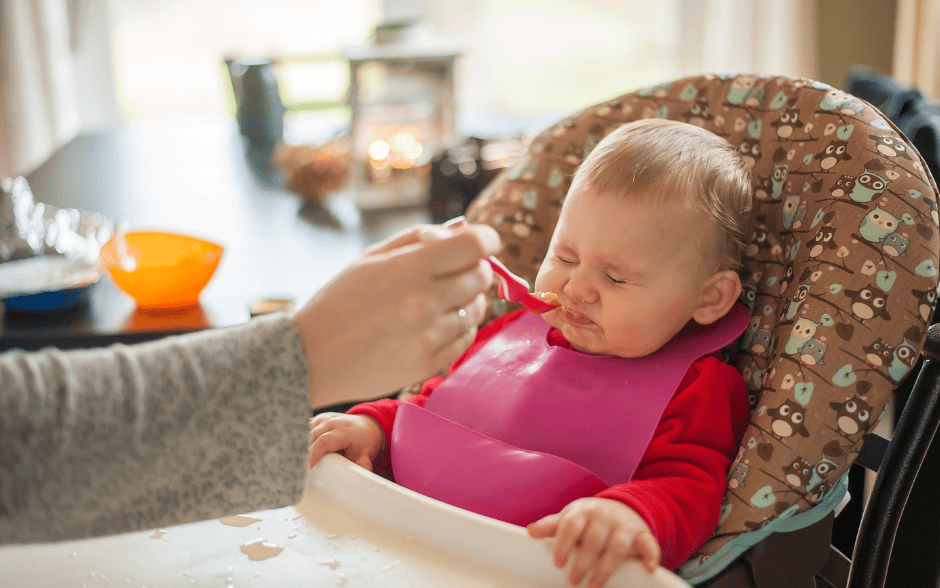
Witnessing your baby experiencing an allergic reaction to food can be frightening and overwhelming. However, understanding exactly what steps to take during this critical moment can help you respond quickly, effectively, and confidently, ensuring your baby's safety and health. Around 5-8% of children experience food allergies. Thankfully, in younger children, most reactions will be of a mild to moderate nature; however, severe reactions, such as anaphylaxis, are possible. Older children are mo
-

2 July 2025 · Prof. George du Toit
Food Allergy Symptoms in Infants: Recognizing & Managing Common Infant Food Allergies
Are you aware of how food allergies might impact your infant's health? Many parents struggle with anxiety when introducing new foods, fearing potential allergic reactions. Statistics from FARE (Food Allergy Research & Education) highlight that 6-8% of infants develop food allergies. Egg and milk allergies are the most common allergies in young infants, then, peanut, cashew, other tree nuts, and sesame make up common allergies. Soya, wheat and fish are less common in the UK. Understanding food
-

2 July 2025 · Prof. George du Toit
Coeliac Disease in Children: Understanding Gluten Allergy in Infants and Support in London
Could your child unknowingly be affected by a hidden autoimmune condition? Coeliac disease remains misunderstood despite affecting 1 in 100 children in the UK. Recognising symptoms early can dramatically improve long-term health outcomes, yet confusion between coeliac disease and gluten allergy persists. We understand your worries and offer valuable insights and support resources, specifically tailored for managing coeliac disease in children. What is Coeliac Disease? Coeliac disease is an
-

3 June 2025 · Prof. George du Toit
London Aero-Allergies: Why they can be troublesome & How to Manage Them
Many Londoners will be living with allergic disease of varying severity, including hay fever, eczema, food allergies, and asthma. Most patients with one form of allergy will have another allergic disease; for example, at least 30% of children with eczema will have (or develop) a food allergy. The allergic burden can therefore be high and significantly impact the quality of life. At least 25% of people in the UK will be diagnosed with hay fever. According to the World Air Quality Index, London'
-

27 May 2025 · Prof. George du Toit
What are the most Common Childhood Food Allergies?
Managing food allergies can be stressful, expensive and time-consuming. Patients and parents live in constant fear of accidental allergen exposure. While it is easier to manage allergen-avoidance at home, as children grow up, more and more caregivers and caterers need to be trusted. Diagnosing relevant allergies and learning to recognise these foods early is critical to protecting your child's health. In this guide, we'll cover some key issues that parents need to confidently manage food allerg
-

27 April 2025 · George du toit
A Paediatric Allergist’s Guide to Baby Poo
Baby Poop: What's Normal, What’s Not — Insights from a Paediatric Allergist Baby poop is one of the most common concerns new parents bring up in our London Allergy Consultants clinics — and for good reason. It varies widely and can seem alarming if you're not sure what’s typical. This guide to baby poo aims to help parents understand what’s normal, when to seek advice, and how poop may relate to health, including allergies. Introduction: Why Baby Poop Matters As a paediatric allergist, one o
-
27 June 2023 · George du toit
Cricket and Mealworm Allergy
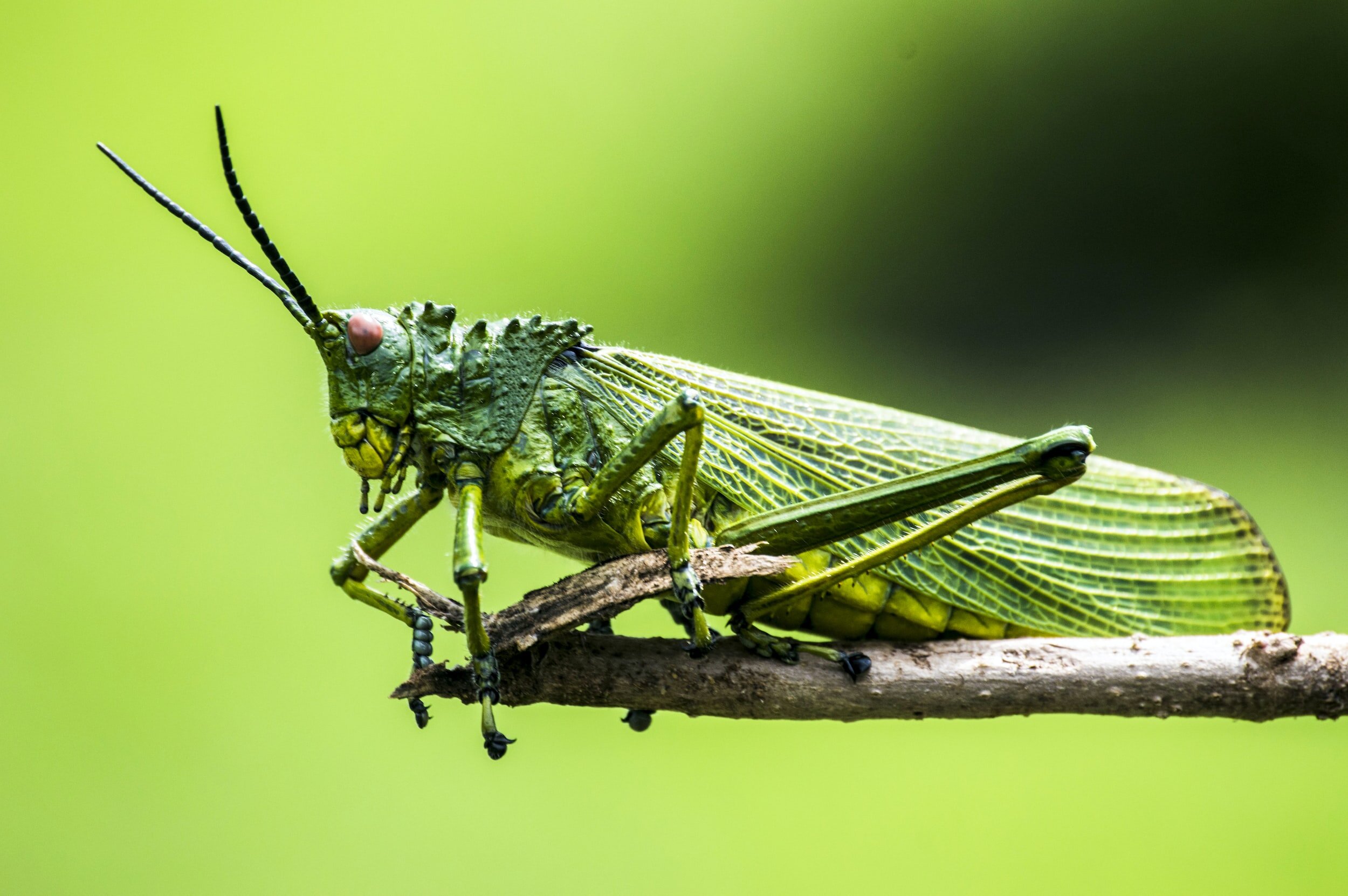
With novel foods in the food chain, we are increasingly challenged with diagnosing food reactions to less typical allergens. One such scenario i face in clinic is allergy to insect proteins. Eating insects and worms is not a new thing. In fact, it has been a part of the traditional diet of some European cultures for centuries. For example, crickets are a popular snack in Greece and Italy, and they are also used in some traditional dishes in Spain and Portugal. In Southern Africa, Mopane worms h
Insect AllergyNovel Food AllergensAnaphylaxisFood Allergy -

20 June 2023 · George du toit
What is Thunderstorm Asthma?
Many patients in clinic are reporting troubling hayfever and tight-chest symptoms over the past weeks especially on days when storms are about. Thunderstorm asthma is a condition that causes asthma symptoms to worsen or trigger an asthma attack during or shortly after a thunderstorm. Other allergic symptoms may also flare at this time, e.g. atopic eczema. The increase in allergencity of the pollen during this period is thought to be caused by the release and fragmentation of pollen grains into
Thunderstorm AsthmaAsthmaHayfeverGrass Pollen Allergy -

12 March 2023 · George du toit
Tips re Adrenaline Autoinjector use
You can never have enough training for administering an adrenaline autoinjector (AAI). As simple as the devices appear, administration can prove tricky in the acute setting. * Allergic reactions will vary in severity, this is true between patients and within patients i.e. not all reactions will be the same. * Many variables determine the severity of a reaction; these include age, asthma diagnosis, amount and form of the food allergen eaten… * Most allergic reactions will commence with ‘mild
AnaphylaxisAdrenaline Auto InjectorEpiPen -

1 March 2023 · George du toit
Pollen Food Syndrome (aka Oral Allergy Syndrome)
* The Oral Allergy Syndrome (OAS) / Pollen Food Syndrome (PFS) comes about due to cross-reactivity between pollens and food; it is an increasingly common but milder form of food allergy, usually coming on after having lived through 4-6 summers (pollen-laden) seasons. * After initially tolerating foods such as tomatoes and stone fruit such as peaches and apples, children with OAS develop a dislike for these. * The syndrome gives rise to intraoral symptoms such as a fuzzy sensation, itching or
-
7 February 2023 · George du toit
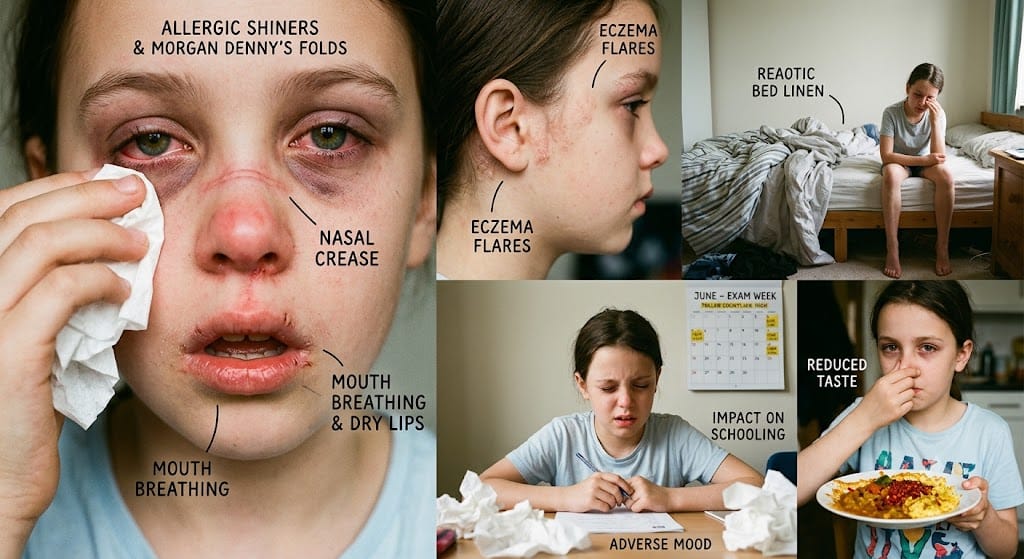
Learn about hay fever symptoms
Hayfever (Allergic Rhino-Conjunctivitis) In allergic rhino-conjunctivitis, the nose and eyes bear the brunt of the inflammatory reaction. Depending on the severity of your hayfever, symptoms and signs may include one or more of the following: * Blocked or runny nose, sometimes associated with a ‘nasal quality speech’ and reduced taste sensation. * Repetitive violent sneezing (if this is worse in the morning and occurs all year round, then consider house dust mite allergy as a cause) * Int
PollenImmunotherapyHayfeverAllergic Shiners
No articles match your search.