13 June 2026 · George du toit · 4 min read
Will OIT to Cashew help suppress Pistachio Allergy?
Parents frequently ask whether they have to undergo multiple separate protocols for each related nut, specifically because cashew and pistachio are closely related (sharing homologous proteins like Ana o 3 and Pis v 1). In this blog, we seek to answer this question and describe successful desensitisation to cashew that can co-desensitise or protect against pistachio, thereby reducing the treatment burden. What is the best direct evidence for cashew ± pistachio OIT efficacy? Cashew OIT efficac
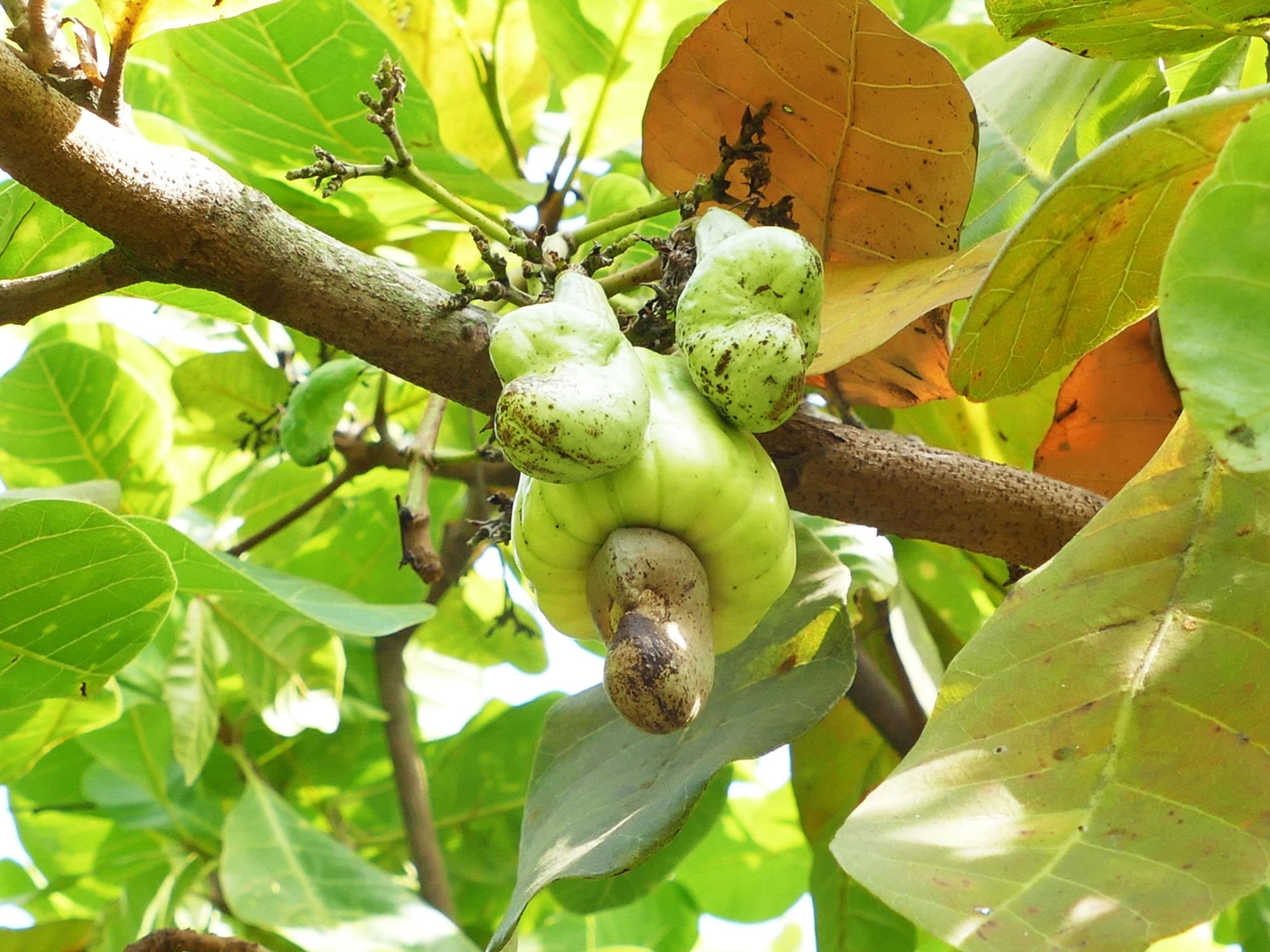

Parents frequently ask whether they have to undergo multiple separate protocols for each related nut, specifically because cashew and pistachio are closely related (sharing homologous proteins like Ana o 3 and Pis v 1). In this blog, we seek to answer this question and describe successful desensitisation to cashew that can co-desensitise or protect against pistachio, thereby reducing the treatment burden.
What is the best direct evidence for cashew ± pistachio OIT efficacy?
Cashew OIT efficacy (desensitisation on therapy): In the NUT CRACKER prospective cohort (Allergy 2022), 44/50 (88%) OIT-treated patients tolerated 4000 mg cashew protein vs 0/15 controls (p<0.001); 3/50 (6%) required epinephrine for home reactions. Relevance: the largest dedicated cashew OIT cohort with an observational control group and standardised oral food challenges.
- In the NUT CRACKER study, after cashew desensitisation, all pistachio co-allergic patients challenged (35/35, 100%) were cross-desensitised to pistachio. Relevance: directly answers whether treating one nut (cashew) can cover the closely related nut (pistachio).
- This study directly mirrors our experience in the Allergy Centre of Excellence OIT program, where most children with cashew allergy are younger than the participants in the study above.
What about pistachio cross-desensitisation after cashew OIT:

Frequently Asked Questions
-
Core Lifestyle Restrictions
To keep your child safe, our paediatric OIT programmes rely on a few essential daily rules, at least the begining of the OIT journey:
Exercise Windows: Avoid strenuous activity for 2–3 hours after dosing. We also generally advise avoiding intense exercise shortly before the dose is taken i.e. your childs hear rate and temprature should be normal in and around dosing.
No Empty Stomachs: Always take the daily dose with food, or immediately after a meal or snack
Hot Baths and Showers and nhot environmental tempratures: Avoid hot showers or baths soon after dosing. The heat causes vasodilation (widening of blood vessels), which can act as a co-factor and increase the risk of an allergic reaction.
Illness Adjustments: Reduce or withhold the dose during viral infections, fevers, gastrointestinal illnesses, or flares of asthma and allergic rhinitis. We will provide you with a written plan detailing exactly how to adjust the dose during these times.
Medication Co-factors: Avoid or seek specialist advice before using NSAIDs (like ibuprofen), as they can lower the reaction threshold in some patients.
Fatigue and Sleep: Take extra caution when your child is significantly sleep-deprived or fatigued, as tiredness can increase the risk of a reaction.
Practical Implications for Family Life
When planning your family's routine, we will help you think through these high-yield practical considerations:
Sports and PE: You will need to carefully time the daily dose so that the 2–3 hour post-dose quiet window does not conflict with school PE, sports days, or evening training sessions.
School and Daycare: School staff must be informed that your child requires timed dosing, temporary activity restrictions after eating the allergen, and immediate, ready access to their AAI and action plan.
Travel and Holidays: Travel and holiday illnesses frequently disrupt OIT schedules. If doses are missed, you must follow our specific re-escalation guidelines rather than automatically resuming the full maintenance dose.
-
Decreasing Test Results: Over time, we anticipate that the Skin Prick Test (SPT) and blood IgE tests to cashew and cashew components will come down, leading to a gentler clinical journey.
Treatment Adjustments: As these levels drop, we will discuss moving towards less frequent dosing and higher target doses.
Long-Term Outlook: Whilst some children can completely 'outgrow' their allergy on OIT (at a higher rate than the 15% seen in the general cashew-allergic population), this is not the case for the majority. Because of this, we usually encourage ongoing, long-term consumption, albeit less frequently.
The London Allergy Consultant clinic, our allergists, and our ACE Allergy team will join you on this journey, discussing options with you at various time points.
-
The more common side effects, usually during up-dosing, include: transient oral itching or abdominal cramping. Anaphylaxis can occur with dosing, especially when co-factors e.g. illness are at play. Longer term gastrointestinal issues like Eosinophilic Oesophagitis (EoE), but this is rare, and reversible. We will discuss this all indetail in a shared decision making process, prior to commencing any OIT program.
-
We offer the largest OIT service in the UK and Europe. Do reach out to our practivce if you would like to be referred in, or reach out to the ACE clinic directly.
Do not undertake home-based unsupervised programs as anaphylaxis can occur on OIT.
Provision standards recommended by EAACI list -
Setting/oversight: Perform OIT only in research centres or highly specialised clinical centres with extensive FA-AIT experience.
Staff/equipment: Supervision by clinicians trained in food allergy diagnosis, OFC, and management of anaphylaxis with immediate access to resuscitation capability.
Where dosing occurs:Initiation and each dose escalation/up-dosing in a clinical setting; maintenance doses are typically taken at home with clear written plans.
Patient safety requirements: Prescribe and train in use of adrenaline autoinjector; counsel to avoid/adjust dosing with common co-factors (intercurrent illness, exercise, etc.). 1
Eligibility/contraindications (key): Confirm persistent IgE-mediated food allergy and ensure adherence capability; avoid OIT with uncontrolled/severe asthma or eosinophilic esophagitis; individualise for relative contraindications (e.g., beta-blockers/ACE inhibitors).
Worried About Allergies? Let’s Help You Get Answers
If your child is showing signs of a food, pollen, or skin allergy, early diagnosis is key. At London Allergy Consultants, our expert team provides trusted, evidence-based care tailored to your child’s needs. From testing to treatment plans, we guide you every step of the way.

London Allergy Consultants
London Allergy Consultants is a leading UK centre for diagnosing and treating food and airborne allergies in children and young people.
Get in Touch
office@londonallergyconsultants.com
0330 678 5168