25 September 2026 · George du toit · 3 min read
Egg and Peanut in pregnancy - New research
Does maternal intake of common food allergens, such as egg and peanut, during pregnancy and lactation affect allergy outcomes in infants?
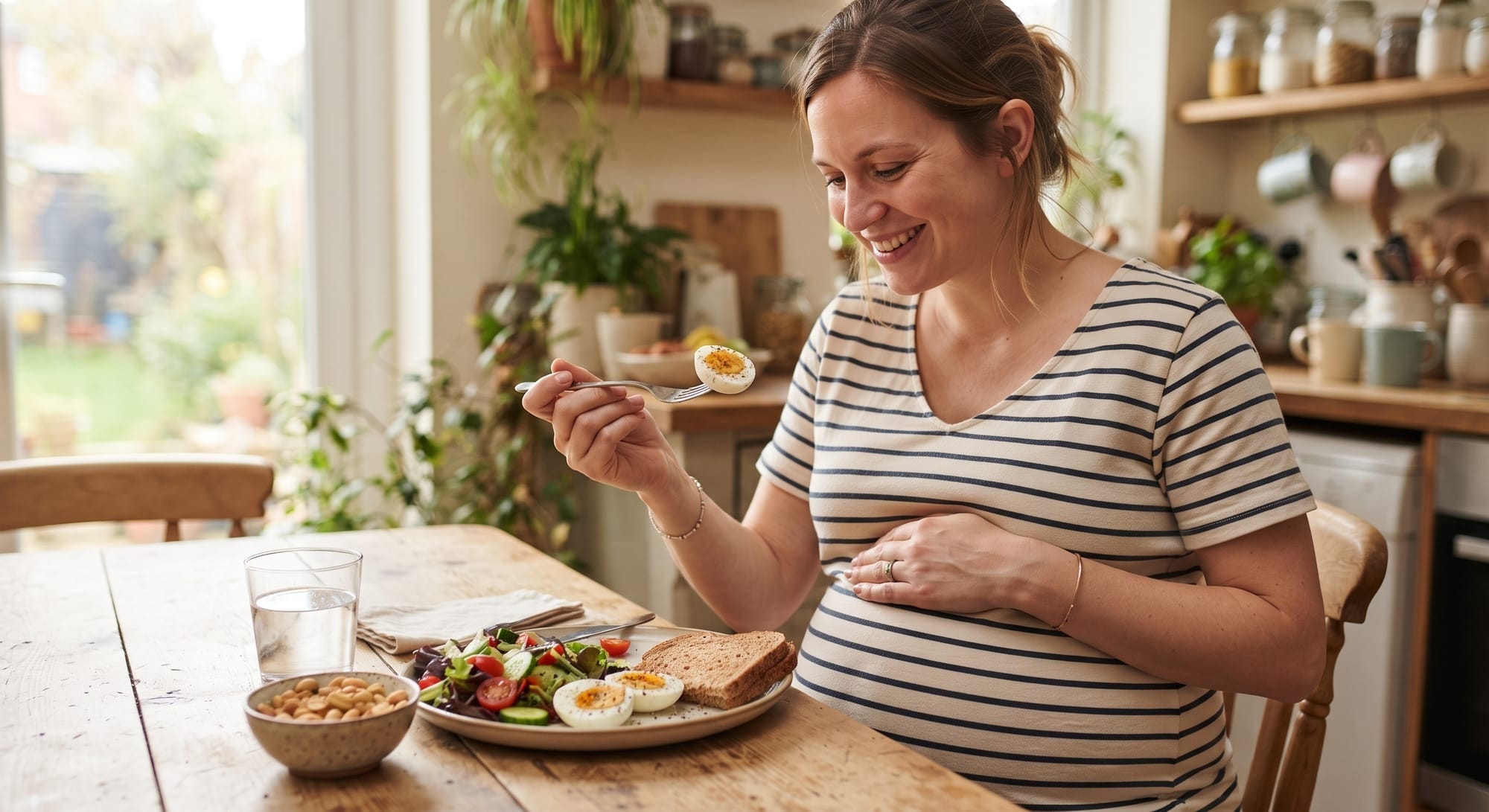
Can Eating More Eggs and Peanuts During Pregnancy Prevent Food Allergies? What Parents Need to Know
Cross-sectional and descriptive studies have examined maternal diet and its relation to allergy outcomes, but few, if any, randomised trials (a more rigorous way to test hypotheses). Many families feel a burden of guilt that their child has developed a food allergy and often ask us in clinic what they could have done differently.
In the absence of firm evidence, expectant parents have received conflicting advice with respect to the benefits and possible harms of allergen intake during pregnancy.
A landmark clinical trial recently published in the New England Journal of Medicine PrEggNut trial : ) , published its findings to help settle much of this debate.
Its publication in the NEJM, despite showing no differences between the groups, shows how important this message is and how well the study was designed and conducted.
Herewith, a very brief take on the study findings, and what is, in fact, a complex topic.
What Was the PrEggNut Trial?
Researchers wanted to know if a pregnant and breastfeeding mother, eating higher than normal (for that population) amounts of two common allergens, in this case egg and peanut, could lower the risk of their baby developing food allergies (the study also looked at some secondary outcomes, e.g. eczema, growth... ).
The study followed a large cohort of 2,137 mother-infant pairs from families with a strong history of allergic diseases (such as eczema, asthma, or hay fever), randomising them into two distinct groups:
- The High-Intake Group: Instructed to consume at least 6 eggs and 60 peanuts every single week during pregnancy and breastfeeding.
- The Control Group: Followed a standard diet, restricted to consuming no more than 3 eggs and 30 peanuts per week (reflecting typical background adult consumption in Australia).
- There was no placebo or zero-intake group, as this would not have been ethical given healthy dietary advice that encourages allergen intake. The two study groups still differed in diet, allowing for comparisons.
The Big Results: Did It Prevent Allergies?
In short, for this study population, the answer is no.
When researchers tested the infants at one year of age using diagnostic clinical tools, including skin-prick testing combined with medically supervised oral food challenges as needed, the study found:
- Allergy Rates: 7.8% of infants in the high maternal intake group developed an egg or peanut allergy, compared to 8.4% in the control group. This minor difference was not statistically significant.
- Infant Eczema: Rates of medically diagnosed infant eczema at 4 and 12 months were virtually identical between both groups.
- Infant Growth: Tracking weight, length, and head circumference showed that babies grew normally, with no physical differences whether their mums ate a high-allergen diet or a standard one.
The Good News: While it didn't prevent or cause higher allergy rates, this healthy intervention was Safe!
Serious adverse events for both mums and babies were almost identical across both groups (roughly 3.6% vs. 3.8%). Consuming exceptionally high quantities of these foods during pregnancy and breastfeeding is entirely safe and causes no harm, abnormal growth, or increased risk.
Strengths and weaknesses of findings:
- High-Risk Focus: Because the study strictly enrolled families with a strong history of allergies, the findings apply directly to high-risk households, but if no effect was seen in an at risk population, then its fair to imagine that this would apply to lower risk allergy populations (which are the largest portion of society).
- Household Dust: The allergy assessments were made at a year of age. The high intake intervention was only in place during part of pregnancy and the early part of the infant's life. Ingested allergens are found in the environment, and we know that sensitisation through the skin is important. The trial tracked internal dietary intake but did not measure background environmental exposure, such as household food allergen dust. However, randomisation ensured these background variables balanced out across groups, and eczema rates were similar.
- Dietary Adherence: Eating 6 eggs and 60 peanuts every week proved a tough logistical challenge for some participants over several months, highlighting how hard it is to enforce strict dietary interventions. An effect may also be seen if a 'no or low' intake group were included, but this was not ethically possible.
The Takeaway for Parents
If you are expecting or breastfeeding, you do not need to ingest higher than normal (for you and your family) quantities of specific allergens into your diet for allergy prevention.
The PrEggNut trial reassures us that a normal, balanced diet during pregnancy is fine. Instead of stressing over heavy maternal loading, current evidence points to focusing on direct infant feeding windows (introducing allergens directly to babies when they start solid foods, per modern paediatric guidelines), as our LEAP Study findings suggest.