29 July 2026 · George du toit · 2 min read
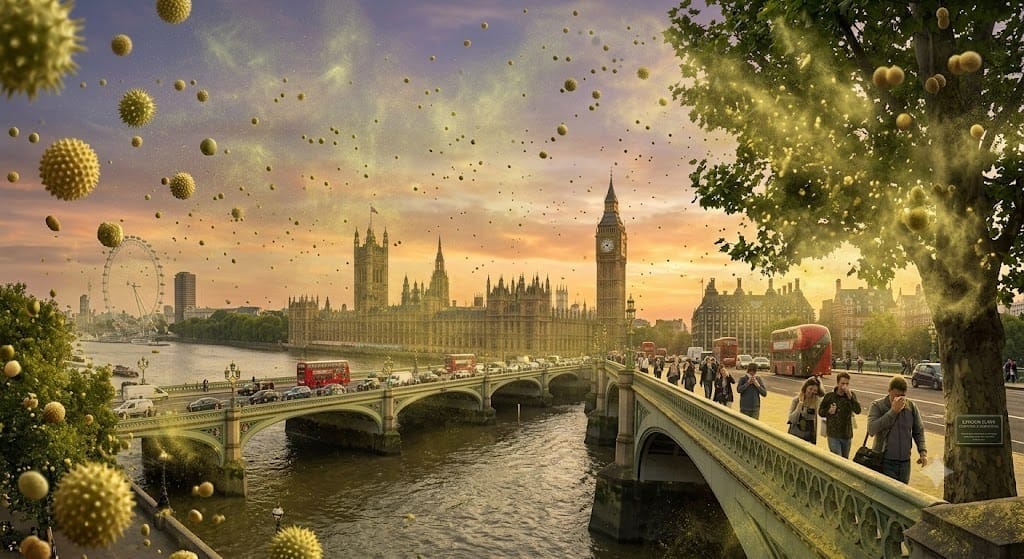
The evening 'pollen shower' may account for your more troublesome hay fever symptoms later on in the day!
Navigating pollen allergies can feel like an uphill battle. In clinic, we see many parents who struggle to keep their children’s hay fever at bay during the summer months. They report a mix of itchy, sneezing, and even wheezy symptoms throughout the day, often worse in the evenings. Here is what you need to know about London’s pollen patterns. Specific pollen seasons The UK pollen season comes in three distinct phases: * Spring (March to May): Driven by tree pollen (birch, oak, and plane
Navigating pollen allergies can feel like an uphill battle. In clinic, we see many parents who struggle to keep their children’s hay fever at bay during the summer months. They report a mix of itchy, sneezing, and even wheezy symptoms throughout the day, often worse in the evenings. Here is what you need to know about London’s pollen patterns.
Specific pollen seasons
The UK pollen season comes in three distinct phases:
- Spring (March to May): Driven by tree pollen (birch, oak, and plane trees). Increasingly, patients are allergic to the pollen from the increasingly popular Olive trees (related to Ash).
- Summer (June to July): Grass pollen peaks, triggering symptoms in roughly 95% of UK hay fever sufferers.
- Late Summer (July to September): Weed pollen takes over, particularly nettle and mugwort.
The Daily Pollen Clock
Pollen counts follow a distinct daily cycle driven by heat and air currents:
- Morning Surge (6:00 AM – 10:00 AM): As the sun warms the ground, plants release fresh pollen into the air.
- Midday Lull (11:00 AM – 3:00 PM): On hot days, heat rises and carries pollen high into the atmosphere, often lowering ground-level exposure temporarily (unless it’s particularly windy).
- Evening "Pollen Shower" (5:00 PM – 10:00 PM): As the air cools, the high-altitude pollen sinks back to the ground. This drop causes a severe evening surge just as families are heading home or unwinding.
Why the City Makes Symptoms Worse
Managing allergies in polluted cities brings unique hurdles due to our built environment:
- Urban Heat Island Effect: Concrete and asphalt trap heat during the day and release it slowly at night. This delayed cooling keeps pollen suspended in the air far longer than in rural areas.
- Urban Canyons: Tall buildings trap street-level pollution and pollen together, creating pockets of heavily concentrated allergens.
- Diesel Exhaust Particles (DEPs): Vehicle emissions attach to pollen grains. This damages the pollen shell, causing it to release extra allergenic proteins and making symptoms noticeably more severe.
Actionable Tips
You can significantly reduce your/your child’s exposure with a few targeted adjustments:
- Try to seal the house from pollen at night: Keep bedroom windows closed during the evening pollen shower and overnight to prevent allergens settling on bedding.
- Filter indoor air: Run a HEPA air purifier in your child’s bedroom and wipe down hard surfaces regularly with a damp cloth.
- Post-park washdown: Have children change their clothes and wash their face and hands (or take a quick shower) immediately after playing outside.
- Medications: If over-the-counter antihistamines are not keeping symptoms under control, immunotherapy is recommended. We are happy to discuss options, e.g. SLIT or SCIT, with you at London Allergy Consultants.
London Allergy Consultants
London Allergy Consultants is a leading UK centre for diagnosing and treating food and airborne allergies in children and young people.
Get in Touch
office@londonallergyconsultants.com
0330 678 5168
Instagram: @London_Allergy_Consultants