22 August 2025 · George du toit · 8 min read
Bathing Tips for Eczema: Best Practices
If your baby has normal skin (as most do), NHS recommendations are that you do not need to bathe a newborn every day. Two to three times a week is generally sufficient. Daily "topping and tailing" (washing the face, neck, hands, and bottom) is a good alternative. However, some 20% of babies in the UK develop eczema, and dry skin conditions are also prevalent. How should they be managed with respect to best bathing practice? * If your child has eczema or infected eczema, what is the evidence r
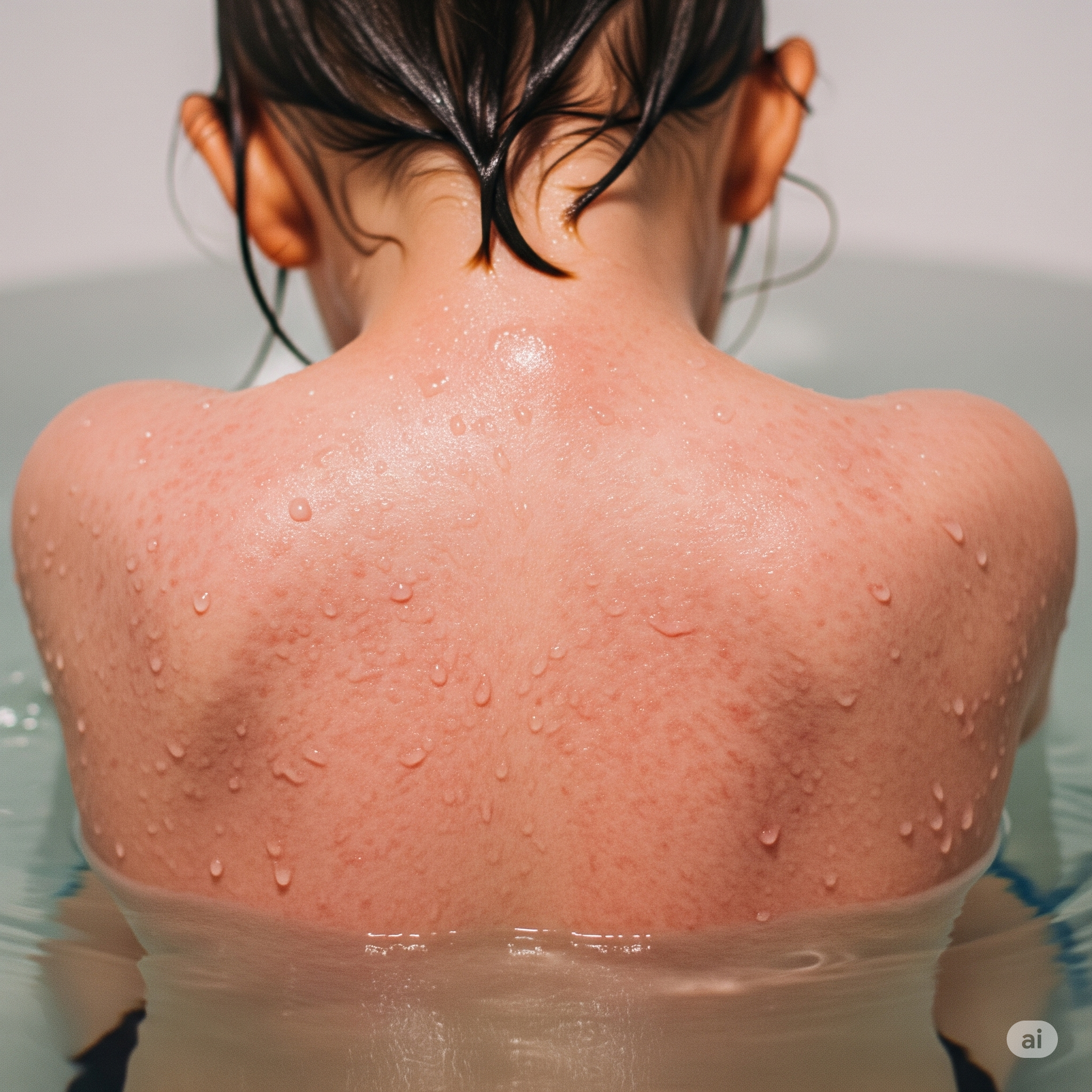
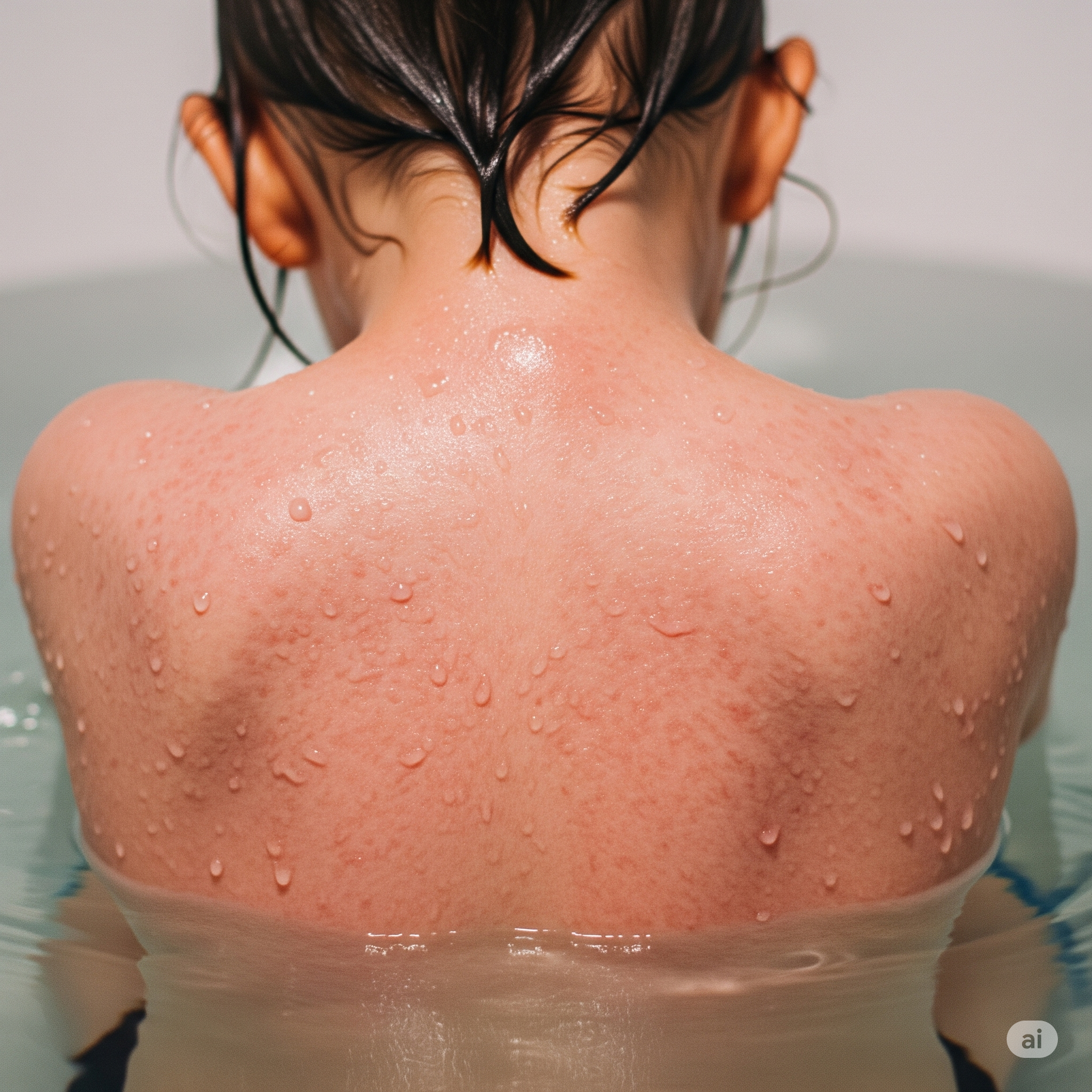
If your baby has normal skin (as most do), NHS recommendations are that you do not need to bathe a newborn every day. Two to three times a week is generally sufficient. Daily "topping and tailing" (washing the face, neck, hands, and bottom) is a good alternative.
However, some 20% of babies in the UK develop eczema, and dry skin conditions are also prevalent. How should they be managed with respect to best bathing practice?
- If your child has eczema or infected eczema, what is the evidence regarding the best bathing practice?
- Bathing for atopic eczema should be performed frequently (daily to every other day), briefly (5–10 minutes), and with lukewarm water and a gentle, fragrance-free, dye-free cleanser. Major Dermatological Societies recommend the immediate and liberal application of moisturiser after bathing to reduce transepidermal water loss and maintain skin hydration, as water evaporation from the skin can worsen dryness if not promptly sealed with an emollient.
- The American Academy of Dermatology advises against the use of traditional soaps, which are alkaline and can disrupt the skin barrier, recommending instead non-soap cleansers (syndets) that have a neutral to low pH, are hypoallergenic, and are fragrance-free. Bath additives, such as oils or emollients, are not routinely recommended, as there is insufficient evidence to support their benefit over direct emollient application after bathing.
- For select patients, dilute unscented bleach baths may be considered as an adjunct to reduce bacterial colonisation, but the evidence is limited, and this should be reserved for those with recurrent infections or severe disease. All societies emphasise the avoidance of products with added fragrance, dyes, or essential oils due to their potential as irritants or allergens.
- The rationale for these recommendations is to maximise skin hydration, minimise barrier disruption, and reduce exposure to irritants and allergens, all of which are central to controlling atopic eczema.
So in summary:
- Use Lukewarm Water: Hot water can dry out the skin and trigger itching. Keep the bath warm, not hot.
- Keep it Brief: Aim for a bath of 10-15 minutes. Soaking for too long can have a drying effect.
- Avoid Soaps and Bubbles: Standard soaps, bubble baths, and shower gels contain detergents (like Sodium Lauryl Sulphate) that remove natural oils and can irritate eczema-prone skin.
- Pat, Don't Rub: After the bath, gently pat the skin dry with a soft towel.
- Moisturise Immediately: Apply a generous amount of your regular emollient or moisturiser within three minutes of getting out of the bath to lock in moisture. This is often referred to as the "soak and seal" method.
What are the best water additives?
- Best for: General dryness and maintaining skin hydration.
Emollient bath oils are the most commonly recommended additives. They work by dispersing in the water and covering the skin in a fine, protective film. This film helps to reduce water loss from the skin, leaving it feeling softer and more hydrated. While recent research suggests they may not reduce the severity of eczema flare-ups on their own, they are excellent for gentle cleansing without soap and providing overall moisture.
- Oilatum Bath Formula / Junior Bath Additive: A long-standing product specifically for dry skin conditions.
- E45 Emollient Bath Oil: Fragrance-free and clinically proven to soothe and moisturise dry skin.
- Dermol 600 Bath Emollient: This is an antimicrobial emollient, which means it also helps to manage bacteria on the skin that can cause infections.
- QV Bath Oil: A gentle, non-greasy formula that is free from common irritants.
How to use: Add the recommended amount to running bath water. Be aware that these oils make the bath very slippery, so a non-slip bath mat is essential, especially for children and the elderly.
Examples available in the UK:
2. Colloidal Oatmeal (but make sure oat is in the diet of the child)
Best for: Soothing severe itching and inflammation.
Colloidal oatmeal is made from oats that have been ground into an extremely fine powder. When added to water, it creates a milky, soothing solution that helps to calm itching and reduce inflammation. Oats contain compounds called avenanthramides, which have anti-inflammatory and antioxidant properties.
How to use: Add the powder or sachet to running lukewarm water and stir to ensure it dissolves completely. Soak for 10-15 minutes. You can also make your own by grinding plain porridge oats into a fine powder in a blender and placing them in a muslin bag or old sock, which you hang under the tap.
Examples available in the UK:
Aveeno Soothing Bath Soak: Made with 100% natural colloidal oatmeal, specifically designed for dry, irritable, and sensitive skin.
OatSoak Dissolvable Bath Oats: A 100% natural colloidal oatmeal product made in the UK.
3. Antiseptic Additives
Best for: Infected or weeping eczema (use under medical guidance).
When eczema is severe, the skin barrier can break, allowing bacteria like Staphylococcus aureus to cause an infection. This can lead to weeping, crusting, and worsening inflammation. In these cases, a dermatologist or GP may recommend an antiseptic bath to reduce the bacterial load on the skin.
Important: This should only be done on the advice of a healthcare professional, as incorrect use can irritate. The most common method is a very dilute bleach bath.
How to use (under medical supervision only):
A small amount of household bleach (without fragrance or other additives) or a specific medical product is added to a full bath of water. For example, Milton Sterilising Fluid is often recommended by UK dermatologists as it's a stable, pure form of bleach. The resulting concentration is similar to that of a swimming pool and is safe when prepared correctly.
By selecting the right additive for your skin's specific needs and incorporating it into a consistent, gentle bathing routine, you can significantly enhance comfort and effectively manage eczema symptoms.
Frequently Asked Questions
Pat, Don't Rub
The single most important rule is to pat the skin gently, never rub. Rubbing with a towel creates friction, which can tear the delicate skin, trigger a nerve response that leads to more itching (the "itch-scratch cycle"), and worsen inflammation.Step-by-Step Guide:Select the Right Towel: Use a very soft, clean towel. Materials like soft cotton, bamboo, or microfibre are ideal. Avoid old, rough, or scratchy towels. Always use a fresh towel each time to minimise the risk of bacterial infection, which weeping skin is very prone to.Gentle Patting: Take the soft towel and gently pat the skin. You can either press the towel against the area and lift it, or gently lay the towel over the wet skin to let it absorb the excess water.Leave Skin Slightly Damp: Do not aim to dry the skin completely until it is bone-dry. The goal is to remove dripping water while leaving the skin feeling slightly damp. This residual moisture is what you will seal in with your moisturiser.The Crucial Next Step: "Soak and Seal"Immediately after patting the skin, you must apply your prescribed emollient or moisturiser. This is the most vital part of the process, often called the "Soak and Seal" method.Timing is Everything: You should apply the moisturiser within three minutes of patting the skin. This traps the water from the bath in the top layers of the skin, providing essential hydration and forming a protective barrier.Apply Generously: Don't be shy with your emollient. Apply it in smooth, downward strokes in the direction of hair growth. Do not rub it in vigorously, as this can also cause irritation.What to AvoidDo NOT Rub: As mentioned, this is the worst thing you can do. It is abrasive and will aggravate the eczema.Do NOT Air Dry Completely: Letting weeping eczema air dry might seem gentle, but as the water evaporates from the skin, it draws out the skin's natural moisture with it. This can leave the skin feeling tighter, drier, and more prone to cracking.Do NOT Use Abrasive Materials: Avoid any rough flannels, sponges, or towels.Do NOT Use High Heat: If using a hairdryer on eczematous areas (e.g., the scalp), always use the lowest, coolest setting to avoid drying out the skin.
Does water hardness matter?
Yes, water quality can have an effect on various aspects of healthy skin control. Damage to the Skin Barrier:Hard water has high concentrations of calcium and magnesium ions. You should be able to check on the quality of your water on your local council website, or ask the water provider directly. A 2017 study led by the University of Sheffield and King's College London found that these minerals, combined with a common cleansing ingredient (Sodium Lauryl Sulphate - SLS) found in many soaps and bubble baths, can damage the protective skin barrier. This barrier is already compromised in people with eczema, and hard water makes it more vulnerable to irritation from allergens and irritants.Increased Dryness and Irritation:The minerals in hard water reduce the solubility of soaps, creating a residue (soap scum) that is left on the skin. This residue can be highly irritating and drying, stripping the skin of its natural oils and moisture, which is a key trigger for eczema flare-ups.Potential pH Changes:Hard water is more alkaline. Healthy skin has a slightly acidic pH, which is crucial for its barrier function. The alkalinity of hard water can disrupt this delicate balance, further weakening the skin's defences.Chlorine in Tap WaterTap water in the UK is treated with chlorine to make it safe to drink. While the levels are low and safe for consumption, some individuals with very sensitive eczema find that chlorine can act as a minor irritant, contributing to dryness and itching. However, for most, the effect of hard water minerals is a much more significant factor.What You Can Do About ItWhile you cannot change the local water supply, you can take practical steps to mitigate the effects of hard water on your skin:Install a Water Softener: This is the most effective solution. A water softener works by removing the calcium and magnesium ions from the water as it enters your home. Many people with eczema report a significant improvement in their skin's condition after installing one.Use Emollient Bath Additives: As previously discussed, using emollient bath oils can help to create a protective barrier on the skin, counteracting the drying effects of hard water.Avoid Soaps and Detergents: Never use regular soap, bubble bath, or shower gel. Stick to soap-free cleansers or your prescribed emollient as a soap substitute. This minimises the chemical reaction with the hard water that creates irritating residue.Moisturise Liberally: The "soak and seal" method is crucial. Within three minutes of bathing or showering, pat the skin gently and apply a thick layer of emollient to lock in the moisture before it evaporates.Consider a Shower Filter: If a full water softening system isn't feasible, a filter that attaches to your shower head can help to reduce chlorine and some mineral content, which may provide some relief.
Worried About Allergies? Let’s Help You Get Answers
If your child is showing signs of a food, pollen, or skin allergy, early diagnosis is key. At London Allergy Consultants, our expert team provides trusted, evidence-based care tailored to your child’s needs. From testing to treatment plans, we guide you every step of the way.

London Allergy Consultants
London Allergy Consultants is a leading UK centre for diagnosing and treating food and airborne allergies in children and young people.