3 November 2026 · George du toit · 2 min read
How to keep emollients and creams sterile when managing eczema
Managing childhood eczema can be a challenge. Most patients we see at our London Allergy Consultants clinic have eczema, as it often triggers the allergic march. Parents are always trying their best to control eczema flares, and small care changes may help. However, one common habit at the changing table or bathroom counter might be working against your efforts: scooping emollients and barrier creams directly from a tub with your fingers. Healthy skin has a strong protective barrier that defen
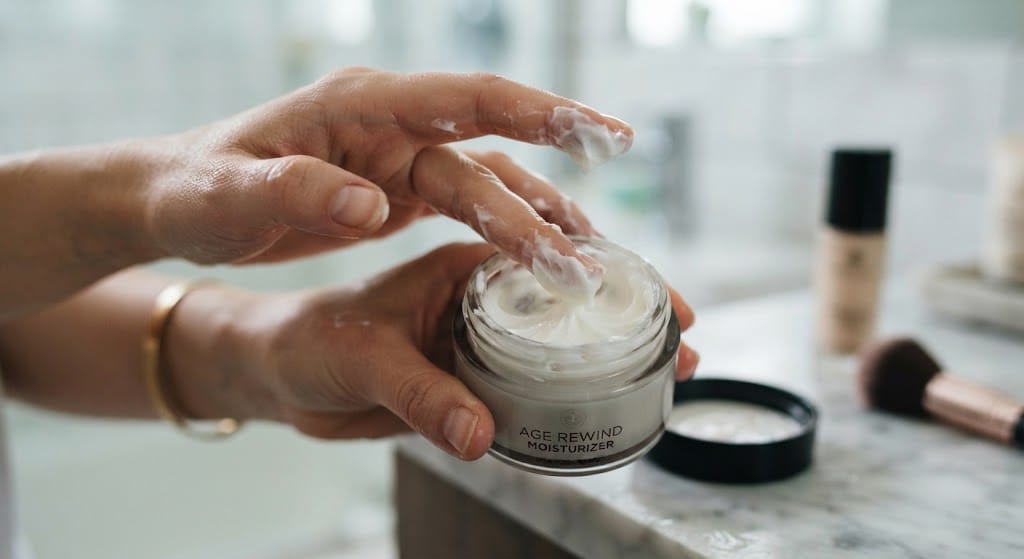
Managing childhood eczema can be a challenge. Most patients we see at our London Allergy Consultants clinic have eczema, as it often triggers the allergic march. Parents are always trying their best to control eczema flares, and small care changes may help.
However, one common habit at the changing table or bathroom counter might be working against your efforts: scooping emollients and barrier creams directly from a tub with your fingers.
Healthy skin has a strong protective barrier that defends against irritants and microbes. Eczema (atopic dermatitis) compromises this barrier. Food sensitisation and allergy typically develop through the inflamed skin barrier, so gaining control is very important, even more so in young infants.
When a child has eczema, their skin microbiome is often out of balance, with a higher prevalence of Staphylococcus aureus bacteria. If a tub of emollient cream becomes contaminated with bacteria from fingers, every subsequent scoop transfers those microbes directly onto broken, inflamed, or sensitive skin. This significantly increases the risk of secondary bacterial infections and can worsen itching and inflammation. We showed this effect clearly in this publication: Staph-infected skin was independently associated with more severe eczema, more allergen IgE, more peanut allergy, and a lower chance of outgrowing egg allergy.
Bacterial contamination risk of some Tubs and Jars
Many heavy, medical-grade emollients and barrier creams come in large, wide-mouth tubs designed for frequent, liberal use. While convenient, these containers present specific challenges:
- Microbial Growth: Emulsions containing water provide an ideal breeding ground for bacteria and fungi. Every time unwashed or damp fingers enter the tub, they introduce organic matter and microbes that feed on the product.
- Overwhelmed Preservatives: While manufacturers include preservatives, repeatedly introducing high bacterial loads can exhaust these systems long before the tub is finished.
- Compromised Efficacy: Microbial breakdown can alter the pH, texture, and active properties of the cream, reducing its ability to soothe dry skin.
Practical Tips to Keep Eczema Creams Pure
You do not need to throw away your favourite tubs, but adopting stricter hygiene habits protects your child's skin barrier:
- Ideally, Switch to Pumps or Tubes: Whenever possible, choose emollients packaged in pump dispensers or squeeze tubes. This keeps the product away from fingers and air.
- Designate a Clean Spatula: If you must use a tub, keep a dedicated metal or plastic cosmetic spatula nearby. Use it to scoop out the required amount of cream onto the back of a clean hand or a clean dish.
- Wash and Sanitise Application Tools: Wash the spatula thoroughly with warm water and soap after every use, or wipe it down with antibacterial spray. Never double-dip the spatula back into the tub without cleaning it first.
- Never Dip Bare Hands: Ensure anyone applying the cream washes their hands thoroughly with soap and water before handling the product, or better still, rely solely on the spatula method.
By making these small adjustments to your daily eczema routine, you ensure that every application remains hygienic, soothing, and fully effective for your child's skin.
For more support, visit Eczema UK and/or the British Association of Dermatologists