2 April 2026 · George du toit · 4 min read
Do all the infections my child gets at nursery benefit the immune system long term?
As we transition from winter to summer, many patients present for assessment due to recurrent infections. Families often wonder whether an immune deficiency or an allergy is contributing to these persistent symptoms. In older children, some of these symptoms may be due to hay fever from tree pollen, while in younger children, frequent illnesses are usually just a normal part of the cycle of infections associated with nursery or school environments. A recent study indicates the expected frequenc
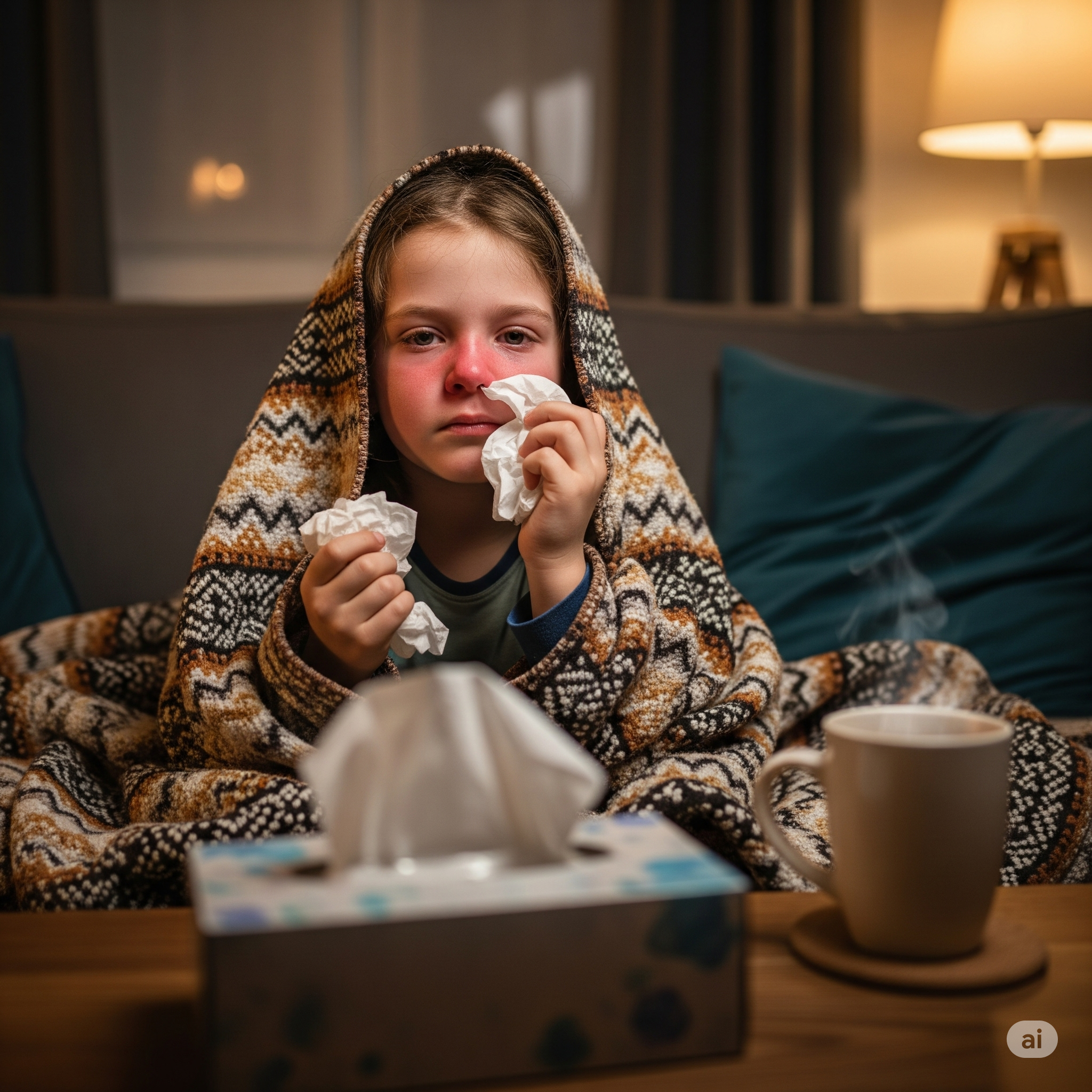
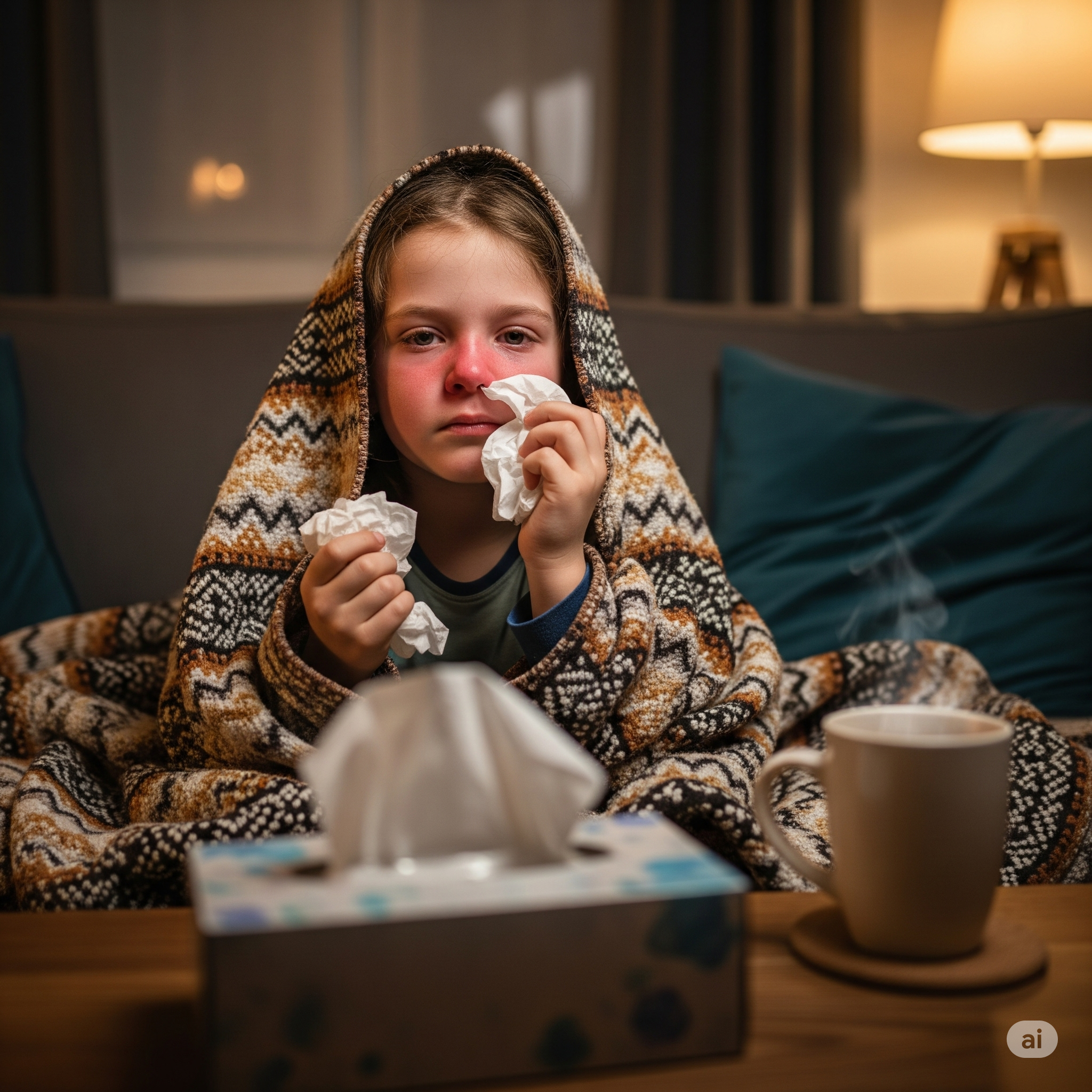
As we transition from winter to summer, many patients present for assessment due to recurrent infections. Families often wonder whether an immune deficiency or an allergy is contributing to these persistent symptoms. In older children, some of these symptoms may be due to hay fever from tree pollen, while in younger children, frequent illnesses are usually just a normal part of the cycle of infections associated with nursery or school environments.
A recent study indicates the expected frequency of infections in children:
- Respiratory Infections: 12 to 15 cases per year (approximately one per month)
- Gastrointestinal Illnesses: 2 cases per year (such as diarrhoea and vomiting)
- Rash-Causing Infections: 1 to 2 cases per year (for example, roseola or chickenpox)
A significant new review, published in March 2026 by researchers from University College London (UCL) and the University of Cambridge, provides detailed evidence on infection rates for children attending nurseries in the UK.
The paper is published in Clinical Microbiology Reviews
Trends and Context (2025–2026)
The research highlights that while nursery attendance increases the frequency of illness in the short term, it offers long-term immunological benefits.
Observation Long-term Benefit
Children with prior nursery experience have significantly lower infection rates when they start primary school than those cared for at home.
Rate of Improvement
Infection rates typically drop by 50% each year of attendance as the child’s adaptive immune system matures.
Viral Load
Under-fives are found to carry at least one respiratory virus approximately 50% of the time, though they may not always show symptoms.
Recent Outbreaks
Between January and March 2026, 34% of England’s measles cases occurred in the 1–4 age group (nursery age), emphasising the importance of the new MMRV vaccine introduced in early 2026.
The research in Summary:
The researchers found that while nursery attendance accelerates infection rates between ages one and five, it also provides a "boot camp" for the immune system. Consequently, these children tend to have fewer illnesses during their early school years than those who stayed at home, who then face a similar "catch-up" period of frequent illness upon starting school.
The paper also highlights that these infection rates result in an average of 13 days off due to illness in the first year, suggesting that employers need to have more realistic expectations for working parents.
A Practical Guide for Childcare Facilities
Maintaining a healthy environment in childcare settings requires a multi-faceted approach. Data suggests that clinical outcomes improve significantly when facilities move beyond basic hygiene to integrated, educational protocols.
Hand Hygiene: The Power of Targeted Sanitisation
While soap and water are foundational, research indicates that hand sanitiser programmes combined with education for staff, parents, and children significantly outperform traditional methods.
- Respiratory Health: A randomised trial of 911 children demonstrated that sanitiser use reduced respiratory infections by 23% and antibiotic prescriptions by 31%.
- Gastrointestinal Health: These interventions also reduce episodes of acute gastroenteritis, particularly during the winter months.
- When to use Soap and Water: Use traditional washing if hands are visibly soiled or when managing specific pathogens such as Norovirus, Cryptosporidium, or C. difficile, as sanitisers are less effective against these pathogens.
Rigorous Environmental Cleaning
Viruses can persist on surfaces for extended periods. Regular disinfection of toys and surfaces is a critical barrier against transmission.
Frequency: Disinfecting communal items every two weeks significantly reduces the presence of viral genetic material, including RSV.
Best Practices: * Use chlorine-based disinfectants for hard surfaces (fomites).
Clean up the vomit immediately with paper towels, then apply the appropriate chemical cleaners.
Launder bed linens and clean toys daily to provide maximum protection.
Strategic Facility Management
The physical organisation of a nursery plays a vital role in infection control.
- Zoning: Maintain a strict physical separation between food-preparation areas and nappy-changing zones to prevent cross-contamination.
- Staffing: Avoid "mixing" staff between different child groups. Limiting staff to specific areas and maintaining optimal child-to-staff ratios reduces the opportunity for a pathogen to spread throughout the facility.
- Risk Factors: Consider removing sandpits and paddling pools, as they are identified environmental risk factors for the spread of illness.
Illness Management and Prevention
A proactive stance on illness is more effective than a reactive one.
- Exclusion and Cohorting: Promptly exclude ill children and staff. If exclusion is not immediately possible, cohort ill children together away from the healthy population.
- Immunisation: Ensure all children and staff are up to date with age-appropriate immunisations to build herd immunity within the setting.
- Education: Implement written infection control policies and provide recurring staff training to ensure protocols are followed consistently.
Clinical Insight: Reducing exposure to large group settings and emphasizing respiratory etiquette (cough hygiene) remain the most effective non-pharmaceutical interventions for protecting high-risk infants.
Worried About Allergies? Let’s Help You Get Answers
If your child is showing signs of a food, pollen, or skin allergy, early diagnosis is key. At London Allergy Consultants, our expert team provides trusted, evidence-based care tailored to your child’s needs. From testing to treatment plans, we guide you every step of the way.

London Allergy Consultants
London Allergy Consultants is a leading UK centre for diagnosing and treating food and airborne allergies in children and young people.