5 April 2026 · George du toit · 4 min read
Is OIT for Pea, Chickpea and Lentil Allergy available?
Pulses such as lentils, chickpeas, and peas have transitioned from health-food niche to mainstream staples in the UK. Certain traditional cuisines, such as South Asian cuisines, also commonly contain pulses. For parents of children with allergies, navigating this landscape requires a mix of keen label-reading and an understanding of the botanical relationships within the pulse family. Cross-Reactivity: The "Legume Link" If a child is allergic to one pulse, there is a biological possibility th
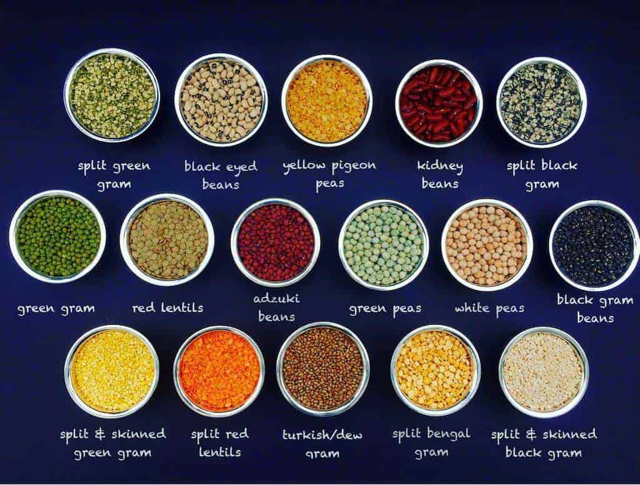
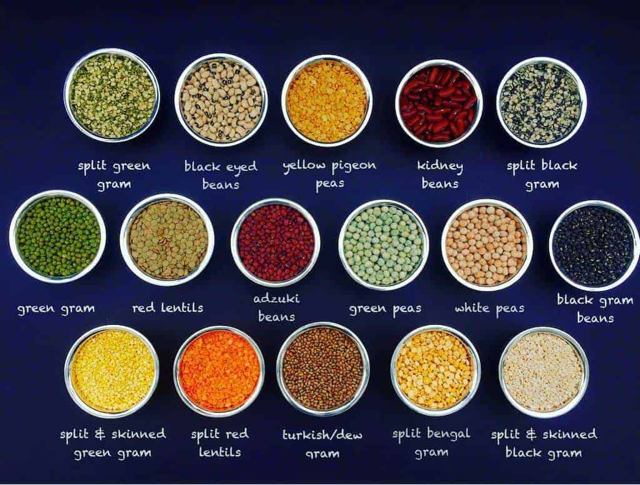
Pulses such as lentils, chickpeas, and peas have transitioned from health-food niche to mainstream staples in the UK. Certain traditional cuisines, such as South Asian cuisines, also commonly contain pulses. For parents of children with allergies, navigating this landscape requires a mix of keen label-reading and an understanding of the botanical relationships within the pulse family.
Cross-Reactivity: The "Legume Link"
If a child is allergic to one pulse, there is a biological possibility they will react to others, but it is far from a certainty. Clinical cross-reactivity (where the body reacts to the similar proteins in different pulses) occurs in about 5% to 15% of cases.
Interestingly, many children allergic to "true" pulses like lentils or chickpeas can safely tolerate green beans, string beans, or runner beans. This is because the protein structure in "succulent" pods differs significantly from that of the dried seeds (pulses).
At London Allergy Consultants, we will usually recommend a cautious, supervised introduction rather than a blanket avoidance of all legumes. Depending on clinical history, we will perform skin prick tests using whole foods as allergens and blood tests, including component IgE tests.
If a child is allergic to one pulse, there is a biological possibility that they will react to others, but it is far from certain. Clinical cross-reactivity (where the body reacts to similar proteins in different pulses) occurs in about 5% to 15% of cases.
Interestingly, many children allergic to "true" pulses like lentils or chickpeas can safely tolerate green beans, string beans, or runner beans. This is because the protein structure in "succulent" pods differs significantly from that of the dried seeds (pulses). However, because the risk of a multi-pulse allergy is higher than in the general population, an allergist usually recommends cautious, supervised introduction rather than a blanket avoidance of all legumes.
Labelling
Under UK Food Information Regulations, peanuts and soya are the only legumes that must be emphasised (e.g., in bold) on an ingredients list by law. However, other pulses, such as chickpeas, lentils, and peas, are not among the 14 major allergens that require mandatory bold labelling. This means parents must scan the full ingredient list diligently. While many UK manufacturers are voluntarily improving their labelling to highlight "Lentil Flour" or "Chickpea Protein," it is not legally mandated in the same way as milk or nuts, making vigilant "back-of-pack" checking essential.
Cultural and Dietary Importance
Pulses are the backbone of various global cuisines and dietary patterns:
- Cultural Staples: In South Asian (Dhal), Middle Eastern (Hummus/Falafel), and Mediterranean diets, pulses are primary protein sources.
- Vegan and Vegetarian: As more families reduce meat consumption, pulses serve as the primary alternative to animal protein.
- Gluten-Free: Pulse flours are the standard replacement for wheat in many specialty breads and crackers.
The Nomenclature Trap
One of the biggest hurdles for parents is nomenclature. A pulse might be listed under several names depending on the product’s origin or the specific variety used:
- Chickpeas may be listed as Garbanzo beans or Gram flour (Besan).
- Lentils come in various colours (red, green, Puy) but may simply be labelled as "Vegetable protein."
- Broad beans are often referred to as Fava beans.

Frequently Asked Questions
Is peanut allergy always associated with pea, lentil and chickpea allergy?
No, peanut allergy is not always associated with pea, lentil, and chickpea allergy.While cross-sensitization (positive IgE testing) is common, occurring in approximately 64% of peanut-allergic children, clinical cross-reactivity (actual allergic reactions) is uncommonThe American Academy of Allergy, Asthma, and Immunology guidelines state that "patients with peanut allergy generally tolerate other legumes, including soy," and therefore "a recommendation to empirically avoid all legumes is generally unnecessary." Possible legume allergy should be evaluated on a case-by-case basis.
Is pea, lentil and chickpea allergy outgrown?
Recent clinical data suggests that allergies to legumes such as peas, lentils, and chickpeas, follow a protracted clinical course similar to peanut allergy. While many childhood allergies to milk or egg resolve by age five or six, legume sensitivities often persist well into adolescence. Specifically, only 2.2% to 8.3% of children outgrow these allergies by age five, with resolution rates rising more significantly between the ages of 10 and 15. By mid-adolescence, approximately 20% to 32% of patients achieve tolerance, with the highest resolution rates observed in bean allergies (32.9%) and the lowest in chickpeas (19.3%).Predicting the likelihood of outgrowing these allergies depends heavily on initial diagnostic markers. Children presenting with lower specific IgE (sIgE) levels and smaller skin prick test (SPT) wheals at the time of diagnosis demonstrate a higher probability of developing natural tolerance. Conversely, factors such as comorbid atopic disease, multiple food sensitivities, and high initial IgE levels are associated with long-term persistence.
Is Oral Immunotherapy (OIT) to Pulses available?
Yes, we offer OIT for lentil and pea allergies within our Allergy Centre of Excellence (ACE) program.
Worried About Allergies? Let’s Help You Get Answers
If your child is showing signs of a food, pollen, or skin allergy, early diagnosis is key. At London Allergy Consultants, our expert team provides trusted, evidence-based care tailored to your child’s needs. From testing to treatment plans, we guide you every step of the way.

London Allergy Consultants
London Allergy Consultants is a leading UK centre for diagnosing and treating food and airborne allergies in children and young people.
Get in Touch
0330 678 5168